greater precision, lower costs, and reduced ecological footprint:

Spot-Spray Maps by SAM-DIMENSION

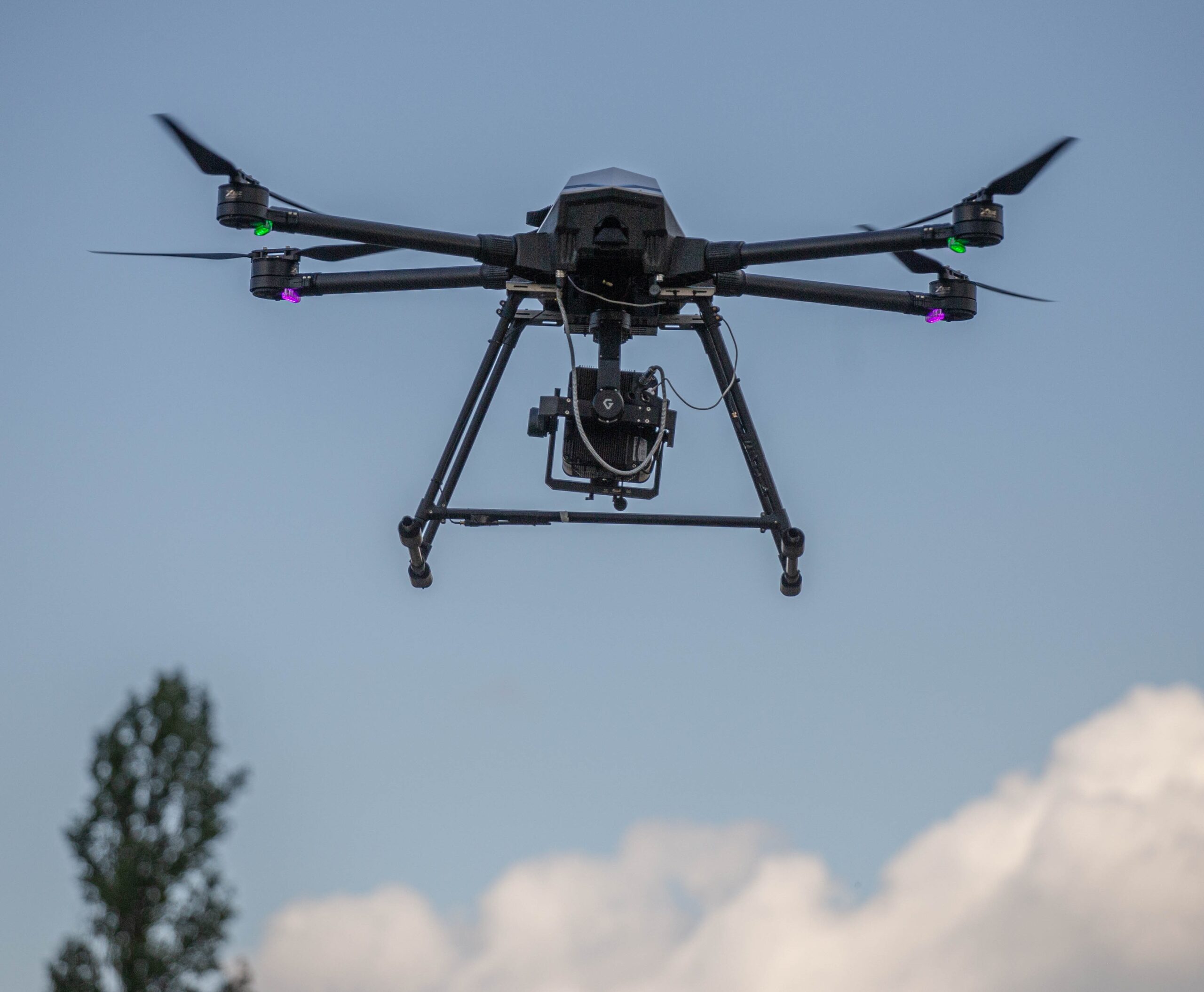
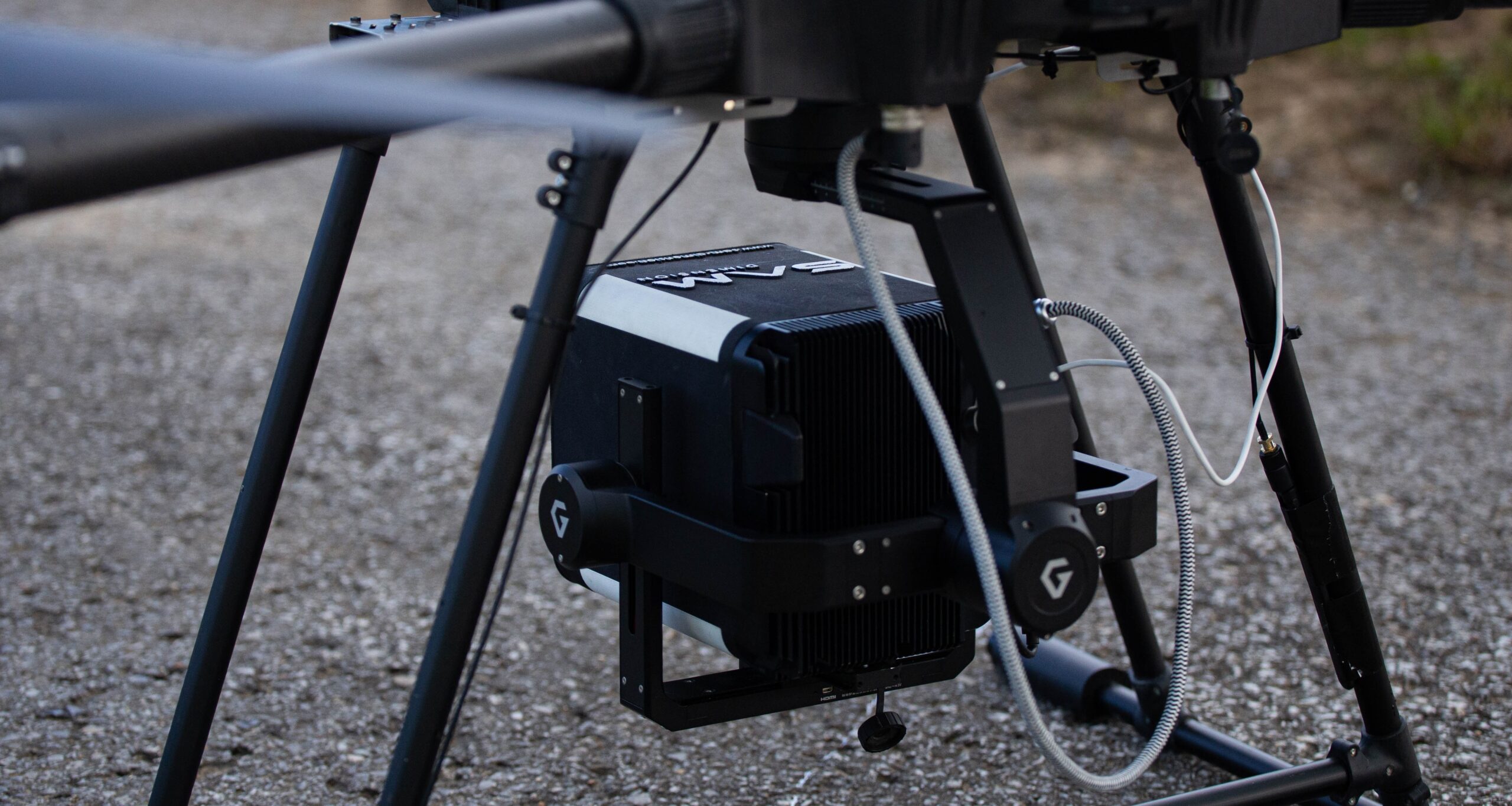
Modern agriculture faces increasing challenges in weed management. Farmers must reduce herbicide use, comply with environmental regulations, and maintain high crop yields—all while managing operational costs. We use a modified version of the ABZ L10 to carry our SAM-CAM AI over the fields of Europe.

An innovative solution for higher demands in agriculture.


By combining advanced drone imaging with a self-developed Camerasytem, AI-powered weed detection, and ISOBUS-compatible spot-spray maps, SAM-DIMENSION enables targeted and efficient herbicide use, significantly reducing environmental impact while maintaining effective weed control. At SAM-DIMENSION we aim to empower farmers to make optimal desicions.


How Does Spot-Spray Mapping Work? 

SAM-DIMENSION’s process consists of three key steps:


  1. Drone-Based Data Collection
    The SAM-CAM AI drone system captures high-resolution images (1.64 mm per pixel) of the field using RTK-GPS technology to ensure prezice, complete, gap-free mapping.

  2. AI-Powered Weed Analysis & Mapping
    The AI model detects and distinguishes weeds from crops, generating a Spot-Spray Map that pinpoints exact weed locations.


  3. Targeted Herbicide Application with ISOBUS Sprayers
    The generated Spot-Spray Map is uploaded to ISOBUS-compatible sprayers, allowing precise herbicide application using either section control or single-nozzle activation, reducing chemical waste and ensuring optimal coverage.

Key Advantages of Spot-Spray Technology

  • Up to 90% reduction in herbicide use
  • Lower chemical exposure for soil, water, and crops
  • Significant cost savings on herbicides
  • Higher yields due to reduced stress on crops
  • Increased efficiency—fewer refills and optimized spraying
  • around 60 hectares mapped per hour with SAM-CAM AI
  • Accurate weed detection from the cotyledon stage
  • Seamless integration with existing ISOBUS sprayers
  • Offline processing—no fragile camera technology required on sprayers

Fall Armyworm – A New Challenge for Crop Protection and Drone Technology

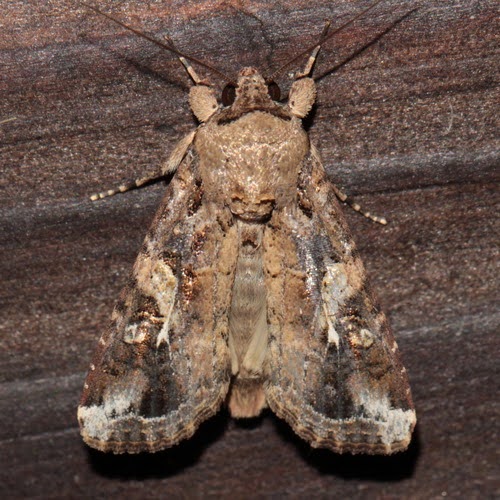
Fall Armyworm – A New Challenge for Crop Protection and Drone Technology In recent years, the spread...
Facade Cleaning with the C10

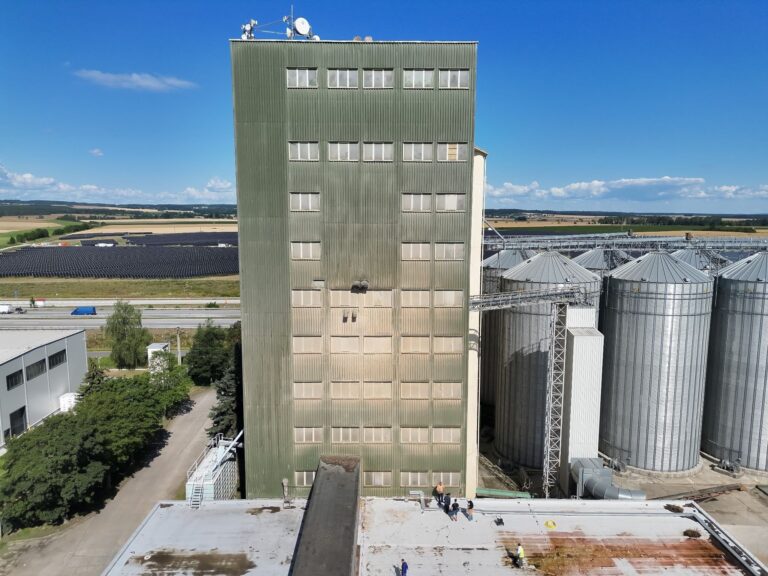
Facade Cleaning with the C10 Cleaning 560 m² of heavily contaminated facade in one day – without...
Cleared for U.S. Fields: The ABZ L50 Joins the FAA List of Approved UAS

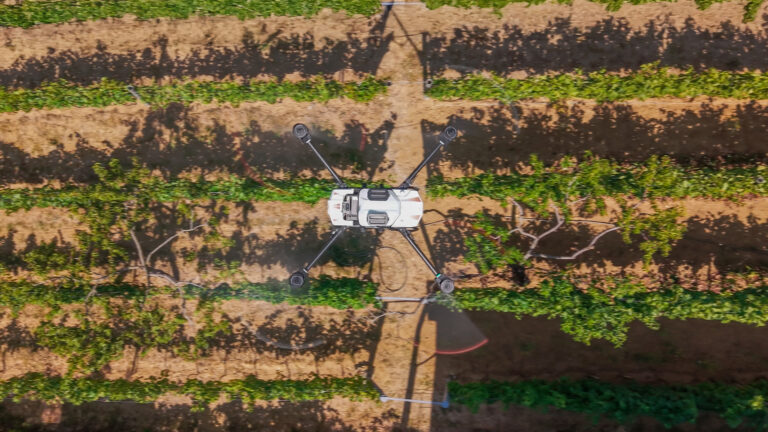
Cleared for U.S. Fields: The ABZ L50 Joins the FAA List of Approved UAS October 6, 2026 We are proud...
The BBCH Scale in Precision Agriculture: Why the Right Growth Stage Is Key to Drone Application

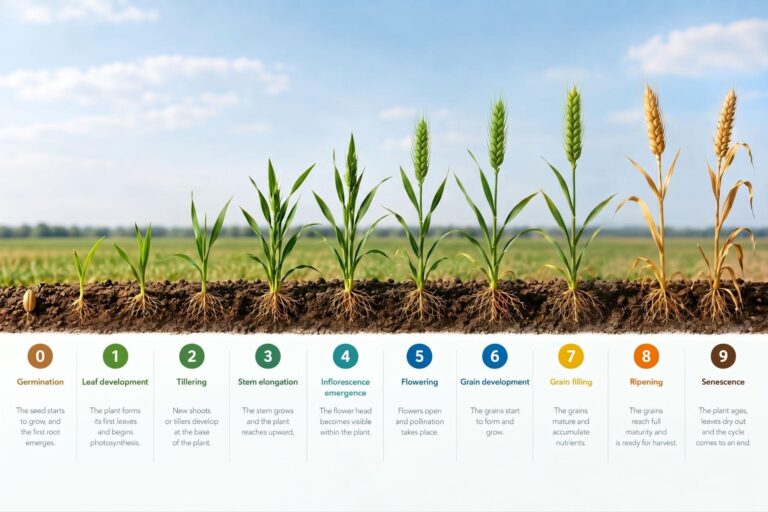
The BBCH Scale in Precision Agriculture: Why the Right Growth Stage Is Key to Drone Application...
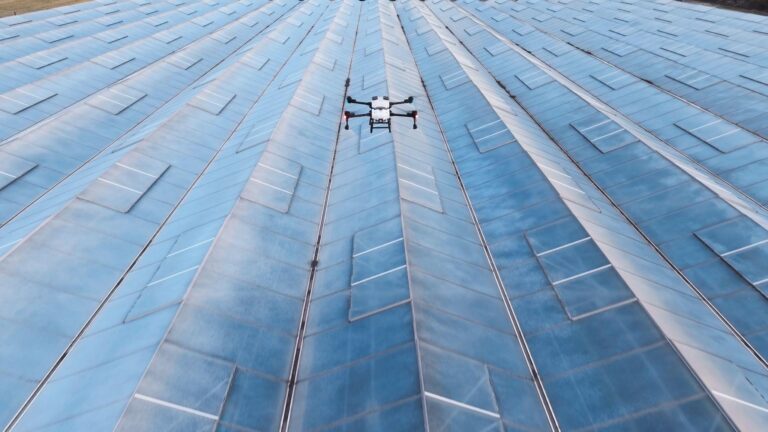
Greenhouse Shading and Paint Removal with Spraying Drones

Greenhouse Shading and Paint Removal with Spraying Drones In modern greenhouse production, managing...
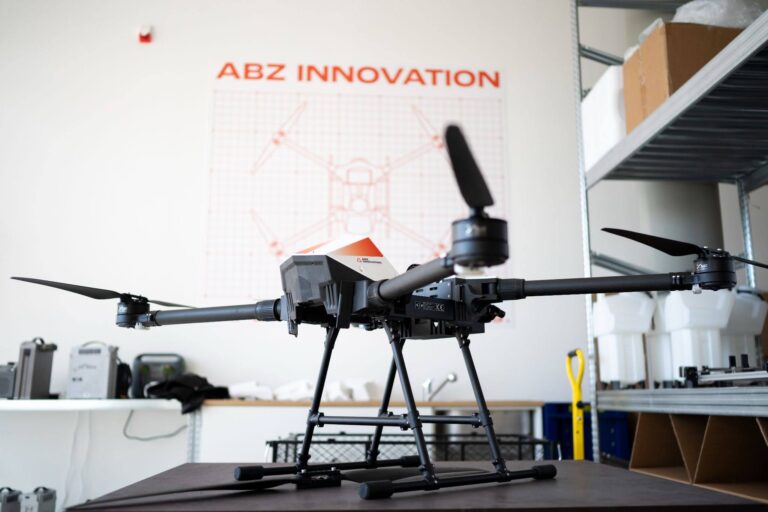
Performance Test: Flight Time and Payload Capacity of the ABZ Innovation M12

Performance Test: Flight Time and Payload Capacity of the ABZ Innovation M12 Purpose of the Test The...
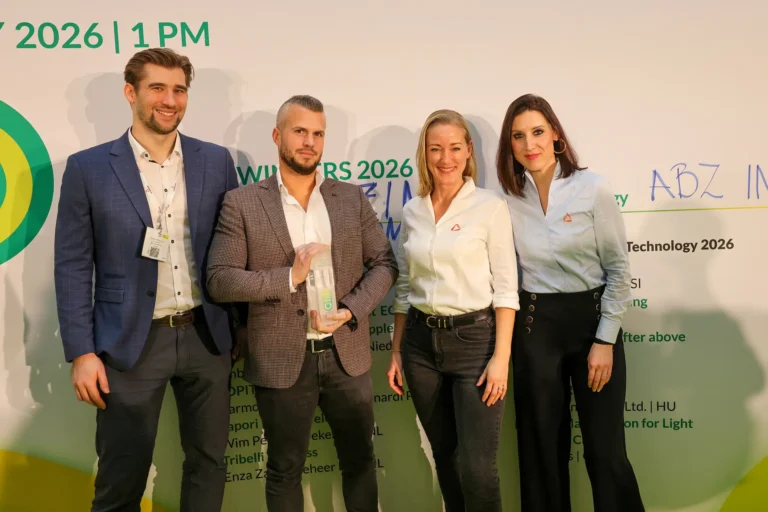
ABZ Innovation L50: From FLIA 2026 Winner to the Next Stage of Growth

ABZ Innovation L50: From FLIA 2026 Winner to the Next Stage of Growth Earlier this year, the ABZ...
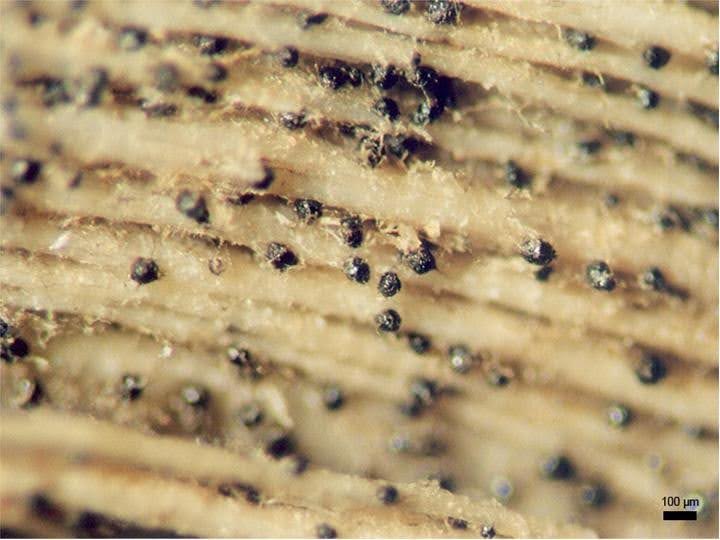
Biotic and Abiotic Stress Reduction in Modern Agriculture

Biotic and Abiotic Stress Reduction in Modern Agriculture Biotic and Abiotic Stress Reduction:...
Drone spraying savings calculator
Spraying price comparison tractors vs drones