Asian Citrus Psyllid and Huanglongbing: New Challenges in Citrus Protection and the Role of Drone Technology
The Asian citrus psyllid (Diaphorina citri) is one of the most significant insect pests threatening citrus production worldwide. Its importance extends beyond the direct damage it causes: the insect is a vector of Huanglongbing (HLB), also known as citrus greening disease, one of the most destructive diseases affecting citrus trees. The combination of the insect’s rapid spread and the serious consequences of the disease presents a major challenge for citrus growers and plant protection professionals.
The Asian Citrus Psyllid: A Small Insect with a Significant Impact
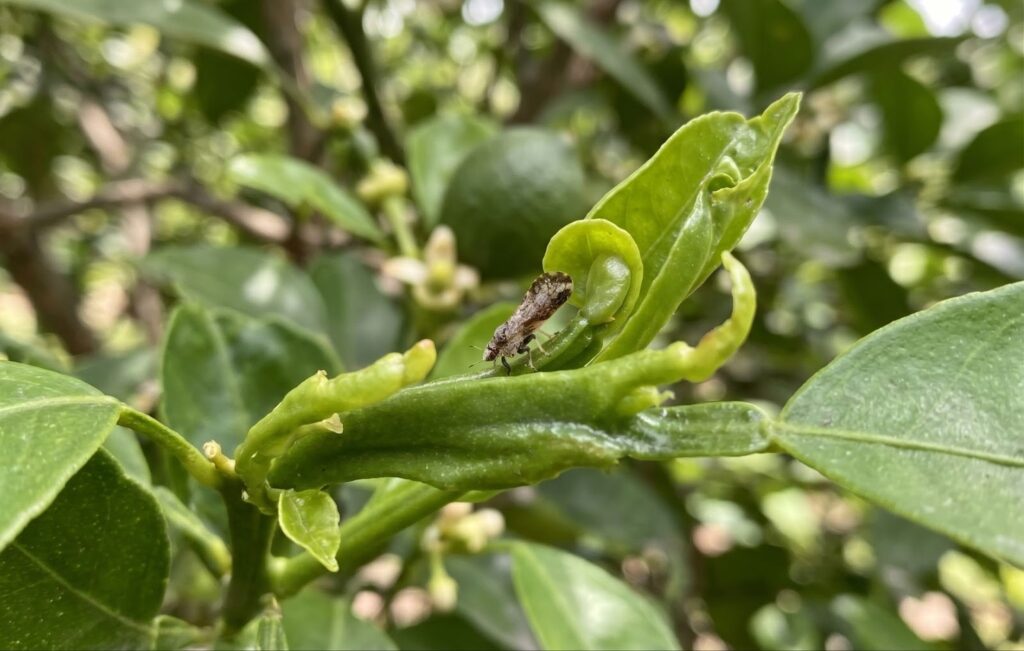
The Asian citrus psyllid is a sap-feeding insect, typically measuring just 2–3 mm in length. It primarily affects citrus plants and other members of the Rutaceae family, including Murraya paniculata, commonly known as orange jasmine, which can serve as an alternative host.
Females lay their eggs on young shoots and developing leaves. After hatching, the nymphs pass through five developmental stages before reaching adulthood. Both nymphs and adults feed on plant sap, and their feeding can damage young growth. They also produce honeydew, which may encourage the development of sooty mould on plant surfaces.
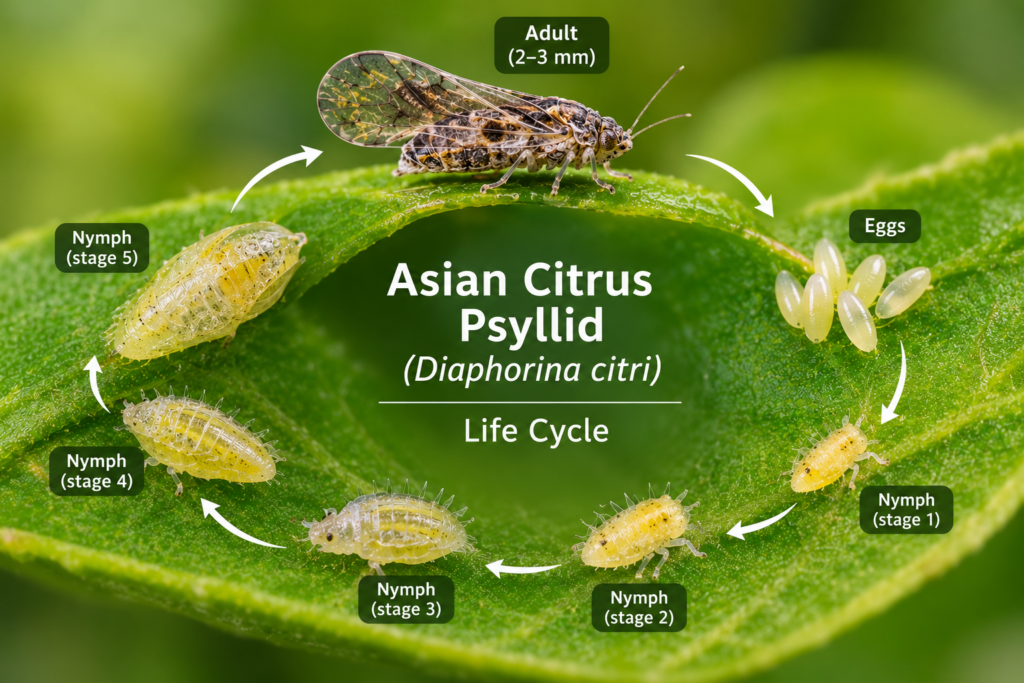
Under favourable conditions, the psyllid can reproduce rapidly, with overlapping generations throughout the year in suitable climates. This makes its management particularly challenging, especially during periods of active shoot growth, when young plant tissues provide ideal conditions for reproduction and feeding.
The insect has spread to several citrus-growing regions around the world. Its presence is a serious concern because it can transmit the bacterium responsible for Huanglongbing. However, finding the psyllid does not automatically mean that the bacterium or the disease is present; these must be assessed separately.
Huanglongbing: When the Plant’s Transport System Is Disrupted
Huanglongbing, or citrus greening disease, is associated with bacteria belonging to the Candidatus Liberibacter group. One of the main species involved is Candidatus Liberibacter asiaticus (CLas), which is transmitted by the Asian citrus psyllid.
The bacteria inhabit the phloem, the plant tissue responsible for transporting sugars and other organic compounds. Their presence disrupts the movement of nutrients within the tree, gradually weakening its growth and productivity.
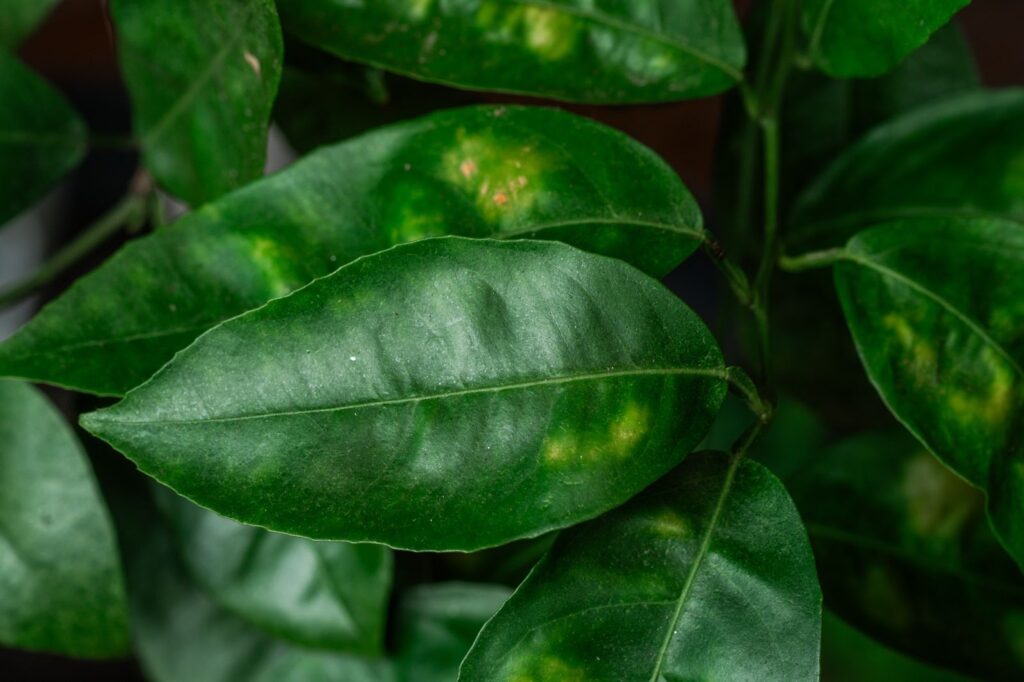
Symptoms can vary depending on the stage of infection and the growing conditions. Common signs include:
- Irregular leaf mottling: Yellowing patterns that may be asymmetrical across the leaf, helping distinguish them from some nutrient deficiencies.
- Yellow shoots: Sections of the canopy may develop abnormal yellowing and reduced growth.
- Deformed fruit: Fruit may remain small, develop uneven coloration and have an irregular shape. Quality and marketability can decline.
- Reduced yield and tree decline: As the disease progresses, production may decrease significantly, and affected trees may eventually die.
One of the main difficulties in managing HLB is the lack of a reliable curative treatment for infected trees. Prevention, the use of healthy planting material, management of the insect vector, early identification of suspected infections and compliance with plant health authority measures are therefore essential components of disease management.
The Challenges of Citrus Protection
Managing the Asian citrus psyllid requires careful attention to the insect’s biology and the growth cycle of citrus trees. Young shoots are particularly important because they provide favourable sites for egg-laying and nymph development. Treatment timing must therefore take local pest pressure, the emergence of new growth and the applicable plant protection recommendations into account.
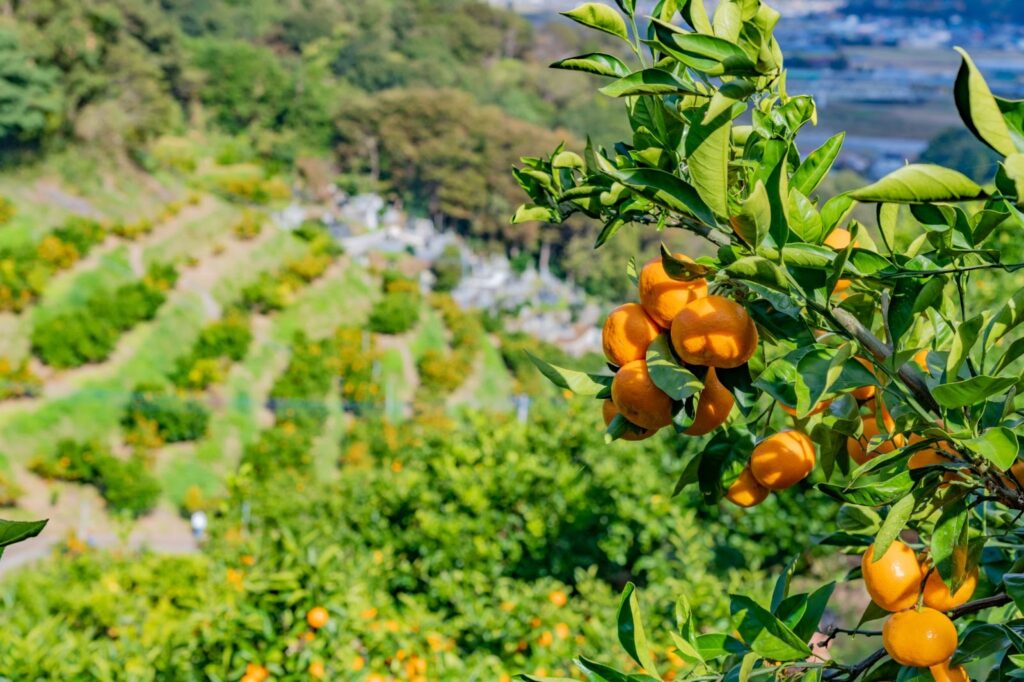
Application itself can also be challenging. Dense canopies, uneven terrain and limited access for ground-based machinery may complicate operations in some orchards. Achieving appropriate coverage of the relevant plant surfaces is an important consideration when selecting an application method.
An effective management strategy consequently depends on several factors: understanding the pest’s life cycle, monitoring its presence, identifying disease risks and choosing suitable control measures. No single application technology can replace this broader approach.
The Role of Spraying Drones in Modern Citrus Protection
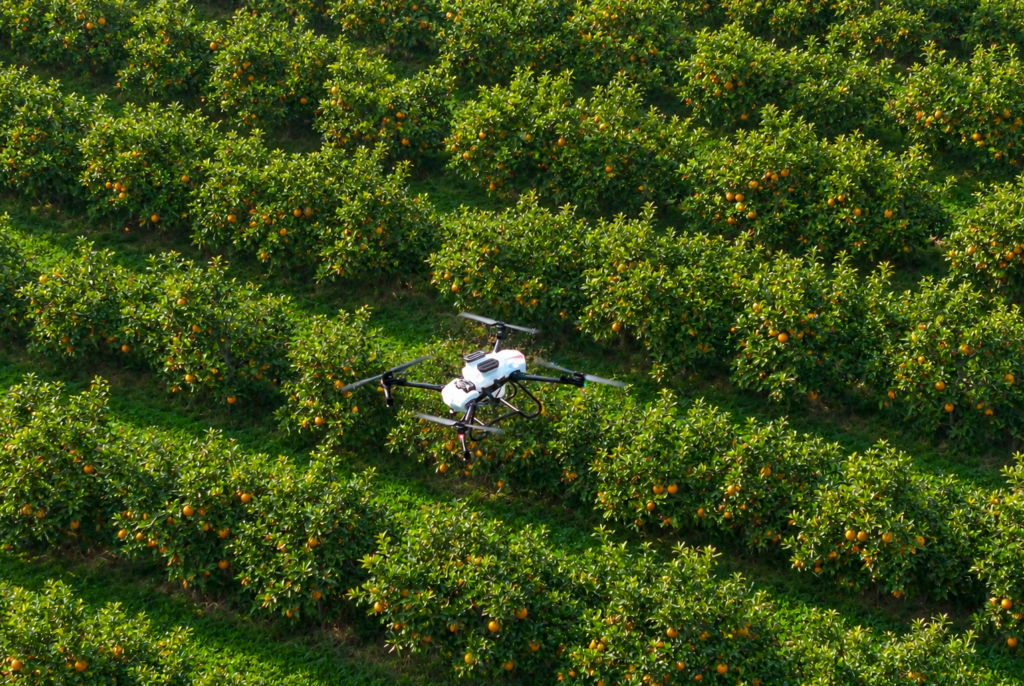
Spraying drones can provide an additional application option in citrus orchards, particularly where terrain, accessibility or the use of conventional machinery presents practical challenges.
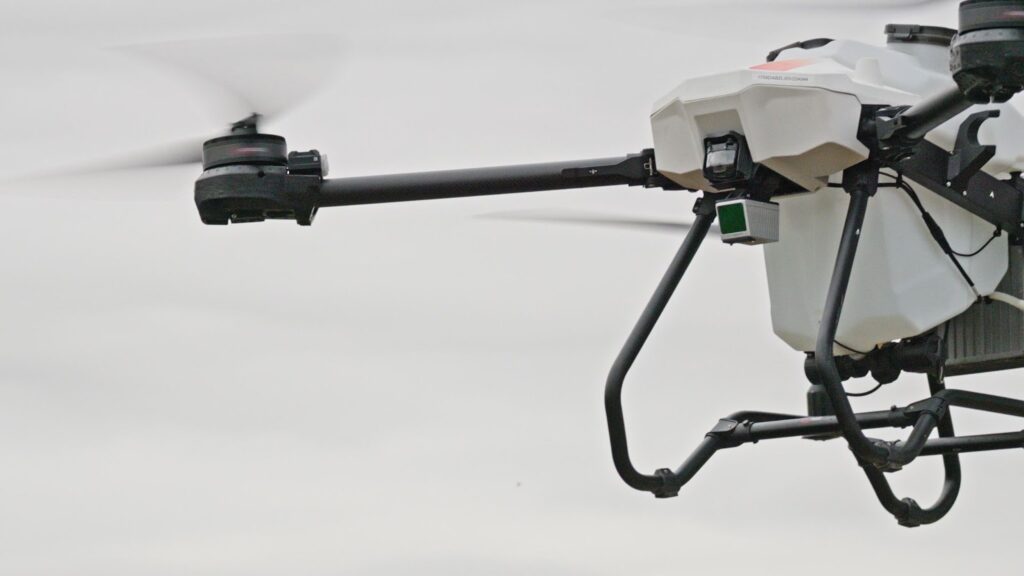
The ABZ Innovation L-series spraying drones offer an alternative to ground-based application equipment in suitable operating conditions. Their use can help avoid the soil compaction associated with repeated vehicle traffic through orchard rows and may provide greater operational flexibility in areas that are difficult to access with conventional machinery.
However, the suitability of drone application depends on the orchard structure, canopy density, application settings, target pest and plant protection product being used. Coverage and treatment performance must be assessed under the specific operating conditions.
It is also important to recognise that spraying drones do not cure Huanglongbing, identify infected trees or replace measures required by plant health authorities. Their role is more specific: they can support the application of appropriate plant protection treatments as part of an integrated management strategy, where their use is technically suitable and legally authorised.
Conclusion
The Asian citrus psyllid and Huanglongbing represent a serious challenge for citrus production because the insect can spread a disease that progressively damages trees and reduces yields. Effective management requires an understanding of the pest’s biology, attention to the development of young shoots, appropriate vector control and compliance with plant health recommendations.
Spraying drones, including solutions from ABZ Innovation, can contribute to citrus protection by offering an alternative application method in suitable conditions. When integrated into a broader plant protection strategy, drone technology can give growers another practical option for managing demanding orchard operations.