Integrating Trichogramma Wasps with ABZ Innovation Systems
This summary outlines the integration of biological plant protection with precision drone technology. It focuses on the use of Trichogramma parasitic wasps to combat agricultural pests, utilizing ABZ Innovation’s specialized drone spreading systems to ensure uniform, effective, and sustainable crop protection.
1. The Biological Solution: Trichogramma
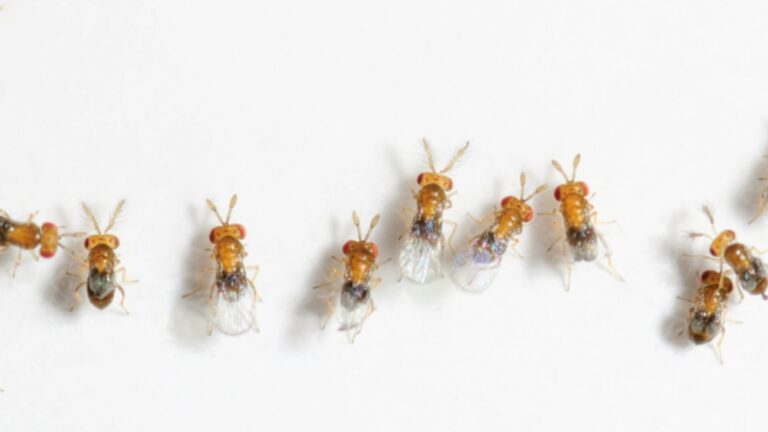
Trichogramma wasps are microscopic parasitoids used as a preventative measure against destructive moth species, particularly the European corn borer (Ostrinia nubilalis) and the cotton bollworm (Helicoverpa armigera).
- Mechanism of Action: Female wasps actively locate pest eggs and lay their own eggs inside. The developing wasps kill the pest embryos, preventing harmful larvae from ever hatching.
- Proven Track Record: The majority of practical experience and documented successes with Trichogramma come from corn fields, making corn the crop with the most established results for this biological control method.
2. Strategic Advantages
Adopting Trichogramma-based control offers distinct benefits over traditional chemical methods:
- Complete Selectivity: Targets only pest eggs; harmless to pollinators, humans, and the environment.
- No Resistance Risk: Being a biological agent, pests cannot develop resistance as they do with chemicals.
- Food Safety & Market Value: Enables pesticide-residue-free production, increasing the crop’s marketability.
- Long-Term Economics: While initial costs may be higher, it improves soil health and reduces long-term reliance on expensive chemicals.
3. Technological Integration: ABZ Drone Systems
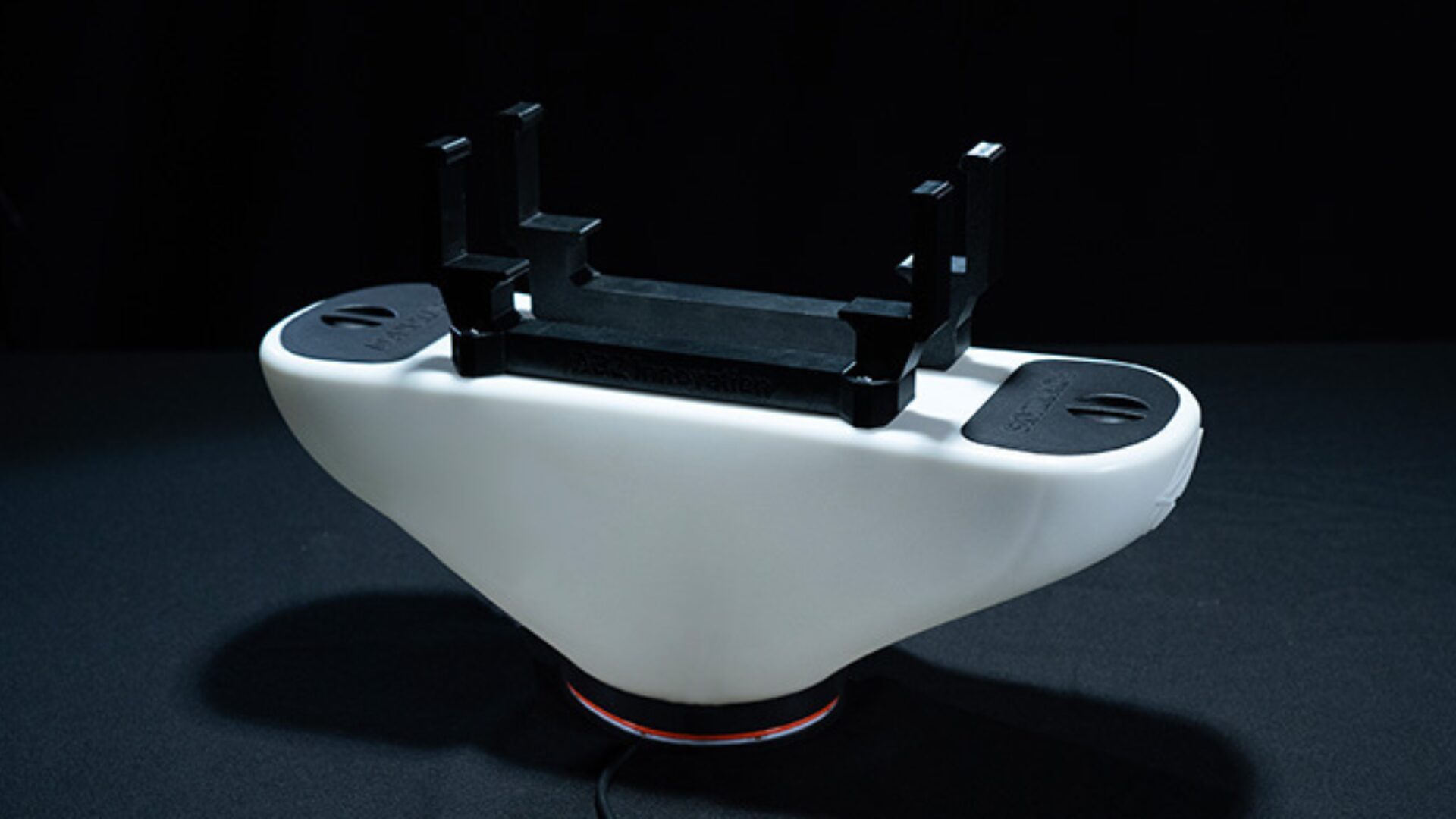
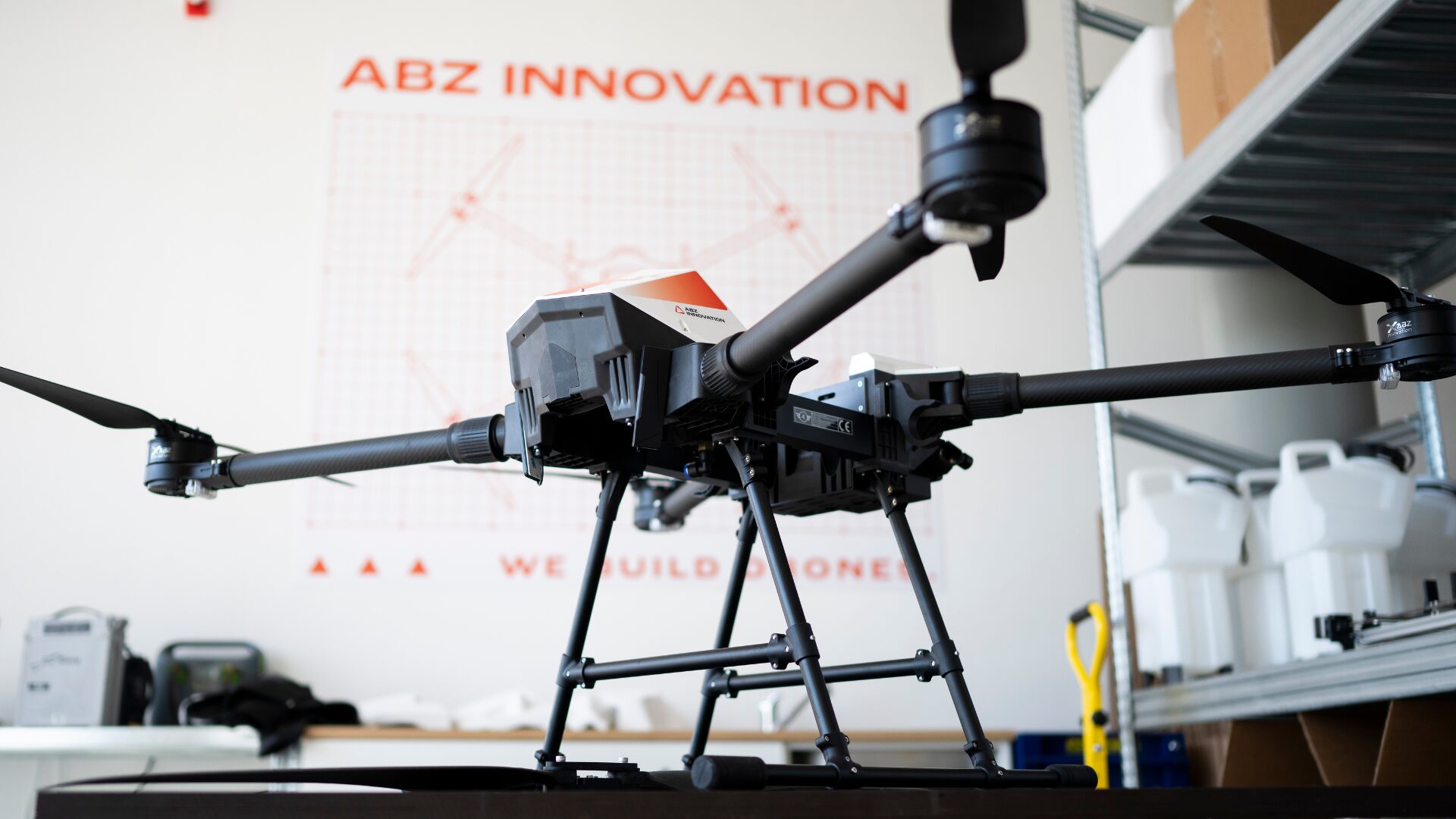
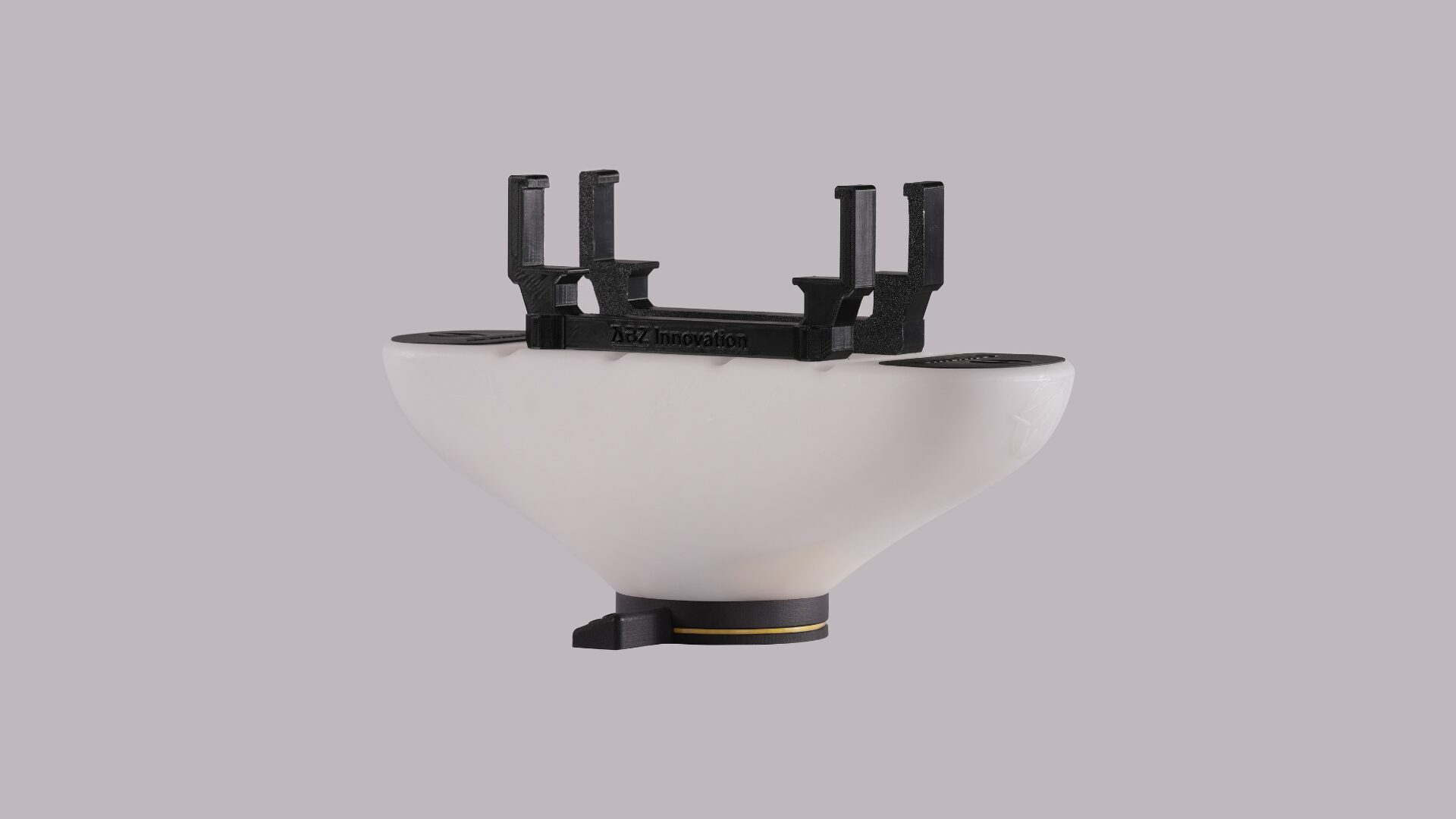
Manual application of Trichogramma capsules often leads to uneven coverage. ABZ Innovation addresses this with the L10 PRO and M12 drone models equipped with specialized spreader systems.
- Capacity: The 8-liter (2.1-gallon) tank accommodates over 300 capsules.
- Precision: Ensures uniform distribution regardless of soil conditions or terrain accessibility.
- Efficiency: Allows for timely intervention, which is critical for biological control success.
4. Operational Best Practices – Recommendation
The release of Trichogramma has proven to be most effective in corn fields. To support optimal performance, the following parameters are recommended:
- Dosage: recommended 80–100 capsules per hectare (32–40 capsules per acre)
- Method: line-based application or custom shapefile-based application aligned with field boundaries
Timing & Environmental Conditions
- Synchronization: Treatment must coincide with the peak swarming of the target pest.
- Frequency: Requires 2–3 applications with intervals of 7–14 days.
- Weather: Fly in calm, cloudy weather (morning/late afternoon). Avoid rain, strong winds, and temperatures consistently above 30°C (86°F).
- Storage: Capsules contain living organisms; store at 4–9°C (39–48°F) and protect from direct sunlight and thermal shock before release.
Summary: When Trichogramma is Most Effective
Trichogramma releases are ideal in sweet corn, seed corn production or sunflower, where tall crops prevent ground equipment from treating infestations, and for organic and bio farmers seeking a 100% residue-free, natural solution. By combining the natural power of Trichogramma wasps with ABZ Innovation’s precision drones, growers can achieve highly effective, sustainable, and environmentally friendly pest control, elevating biological solutions to the standards of modern precision agriculture.