The Silent Cry of Crops
Nutritional imbalances manifest as specific physiological and spectral signatures. Early identification and targeted intervention prevent irreversible yield loss and bolster plant defense mechanisms.
In modern agronomy, understanding the nutritional demands of crops is no longer just about maximizing yield—it is a critical component of plant health, structural integrity, and biological defense. When a plant lacks an essential element, it doesn’t suffer in silence; it displays specific physiological symptoms. Recognizing these visual and spectral signatures early allows for targeted interventions before irreversible yield loss occurs.
The Nutritional Spectrum: Essential Elements
Plant nutrients are categorized into three distinct groups based on the quantities required by the plant. A balanced availability of all these elements is fundamental to preventing physiological disorders.
| Category | Elements | Primary Functions |
|---|---|---|
| Macronutrients | Nitrogen (N), Phosphorus (P), Potassium (K) | Basic structural building blocks, energy transfer (ATP), osmotic regulation, and enzyme activation. |
| Mesonutrients | Calcium (Ca), Magnesium (Mg), Sulfur (S) | Cell wall stability, central component of chlorophyll, and synthesis of essential amino acids (methionine, cysteine). |
| Micronutrients | Zinc (Zn), Boron (B), Manganese (Mn), Molybdenum (Mo), Copper (Cu), Iron (Fe) | Catalysts for enzymatic reactions, hormone synthesis, oxygen transport, and detoxification of oxidative compounds. |
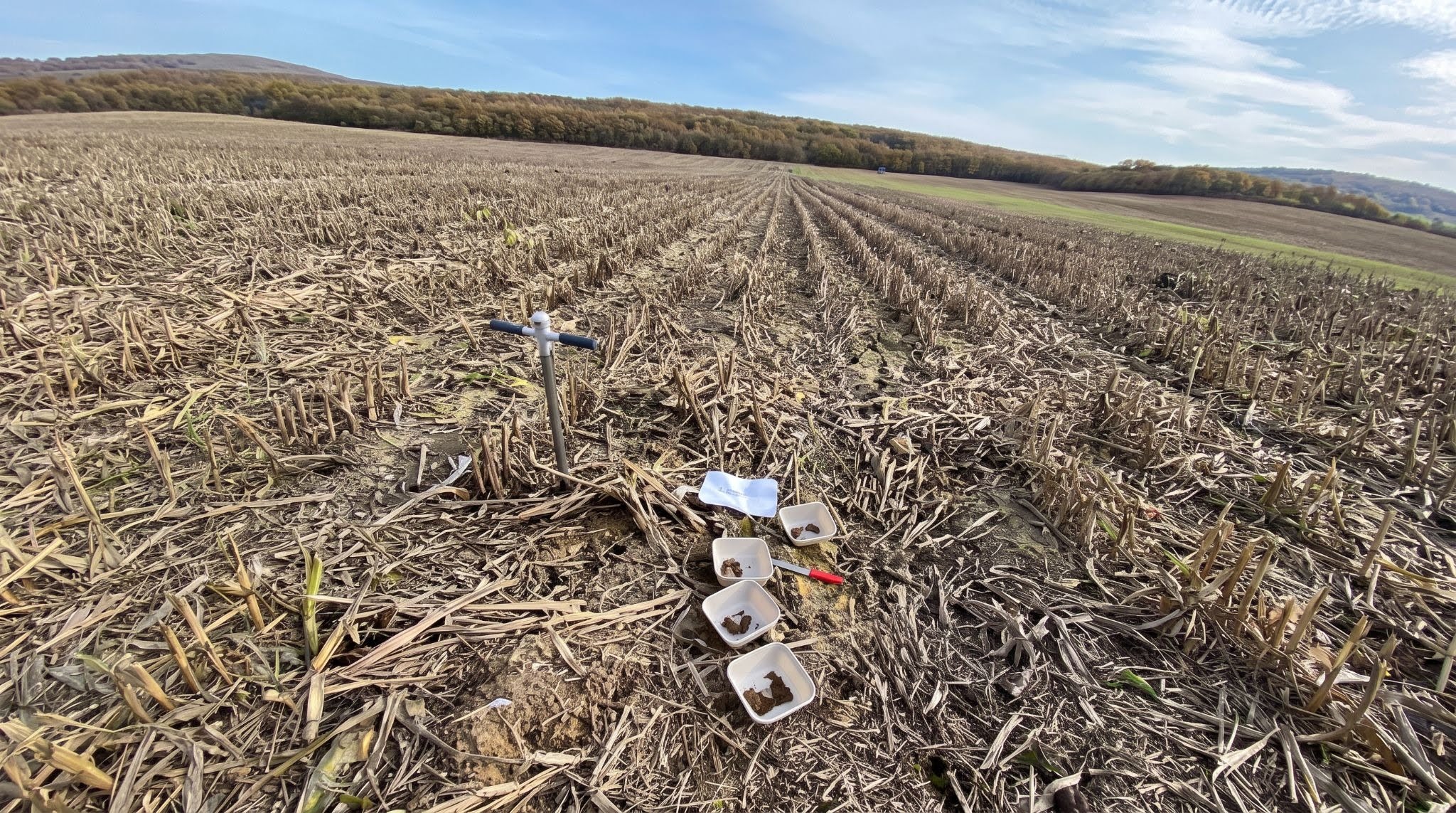
Understanding nutrient availability starts with the soil. Regular soil sampling provides valuable information on nutrient levels, mineral availability, pH, and potential imbalances. This baseline is essential for interpreting crop symptoms and making informed nutrient management decisions.
A Common problem: overdosing Nitrogen
A frequent misstep in crop management is the over-application of Nitrogen (N). While excess Nitrogen stimulates rapid vegetative growth and cell elongation, it occurs at the direct expense of structural integrity, producing loose, soft cell tissue. Because strong cell walls form the primary physical barrier against pests, this forced expansion creates a critical defense vulnerability. Weakened walls are easily punctured by chewing and boring insects, creating an “infection gateway” that gives opportunistic pathogens direct access to rich intracellular nutrients. Furthermore, rapid cellular expansion dilutes essential structural polymers like lignin and phenolic compounds. Because these tough compounds require a metabolically exhausting digestive effort from pests, their depletion strips the crop of its natural biochemical shield, leaving the plant far more susceptible to escalating insect and pathogen damage.
Biochemical Guard Dogs: Potassium and Zinc
Potassium (K): The Great Osmotic Regulator
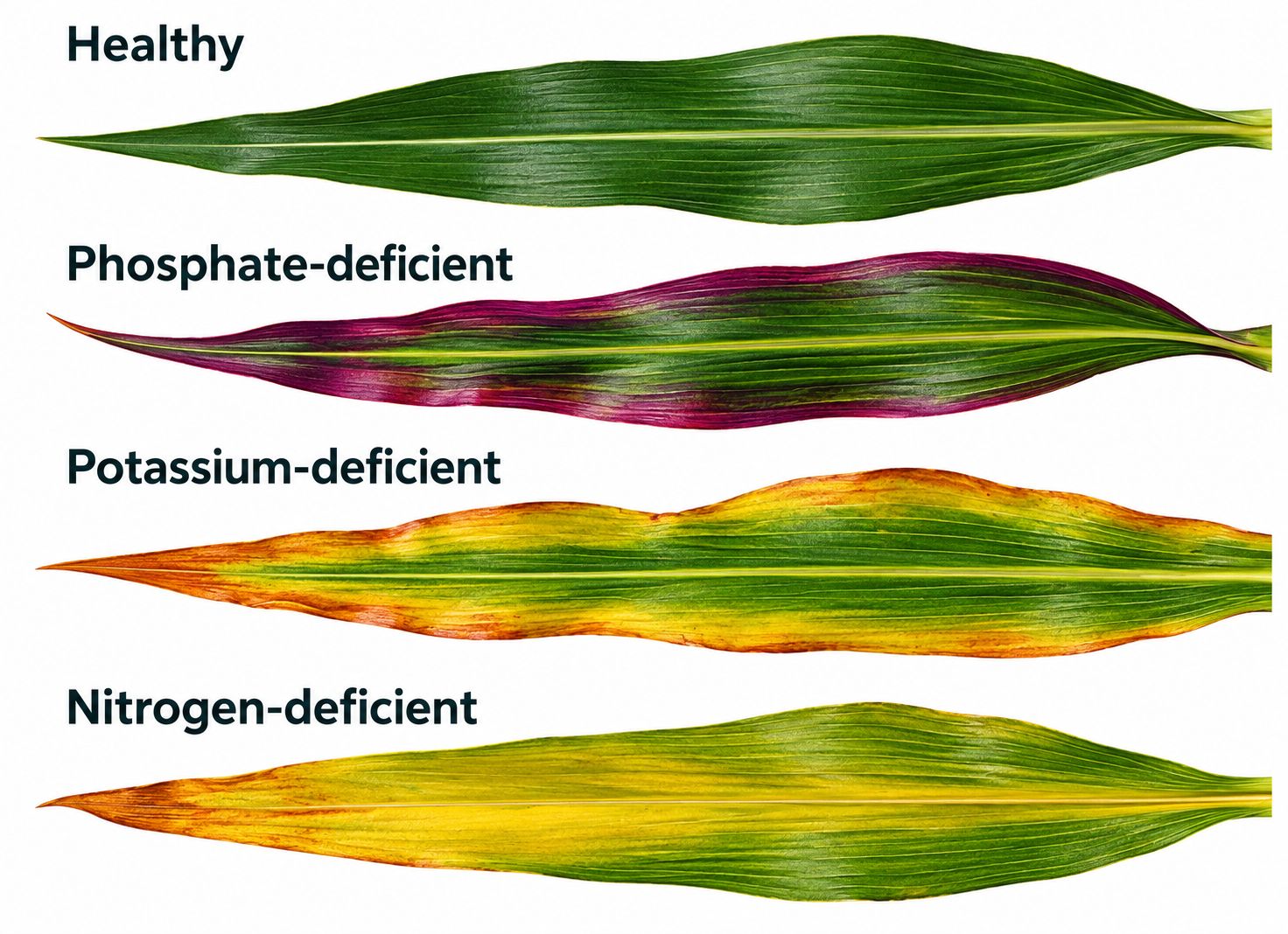
Potassium is essential for carbohydrate and protein synthesis, water balance, and regulating stomatal turgor. When Potassium is deficient, metabolic processes stall, leading to an accumulation of low-molecular-weight soluble fractions (like sugars and amino acids) instead of complex polymers. For invading fungi and bacteria, this buildup creates an easily accessible “free buffet” within intercellular spaces, drastically increasing disease susceptibility.
Zinc (Zn): The Oxidative Bodyguard
Zinc plays a crucial role in protecting cellular membranes from oxidative stress. Under heat, drought, or high radiation, plants produce destructive reactive oxygen species (ROS). Zinc powers the detoxification processes that neutralize these radicals. Without adequate Zinc, unhandled free radicals tear through lipid membranes, causing cellular leakage and significantly increasing infection risks.
Nutrient balance also plays an important role in winter hardiness. Adequate nutrient availability, particularly during autumn development, supports the formation of strong plant tissues and improves the crop’s ability to withstand cold and other winter stresses. Well-nourished plants are also better positioned for vigorous growth when vegetation resumes in spring.
The Mobility Matrix: Reading the Leaves
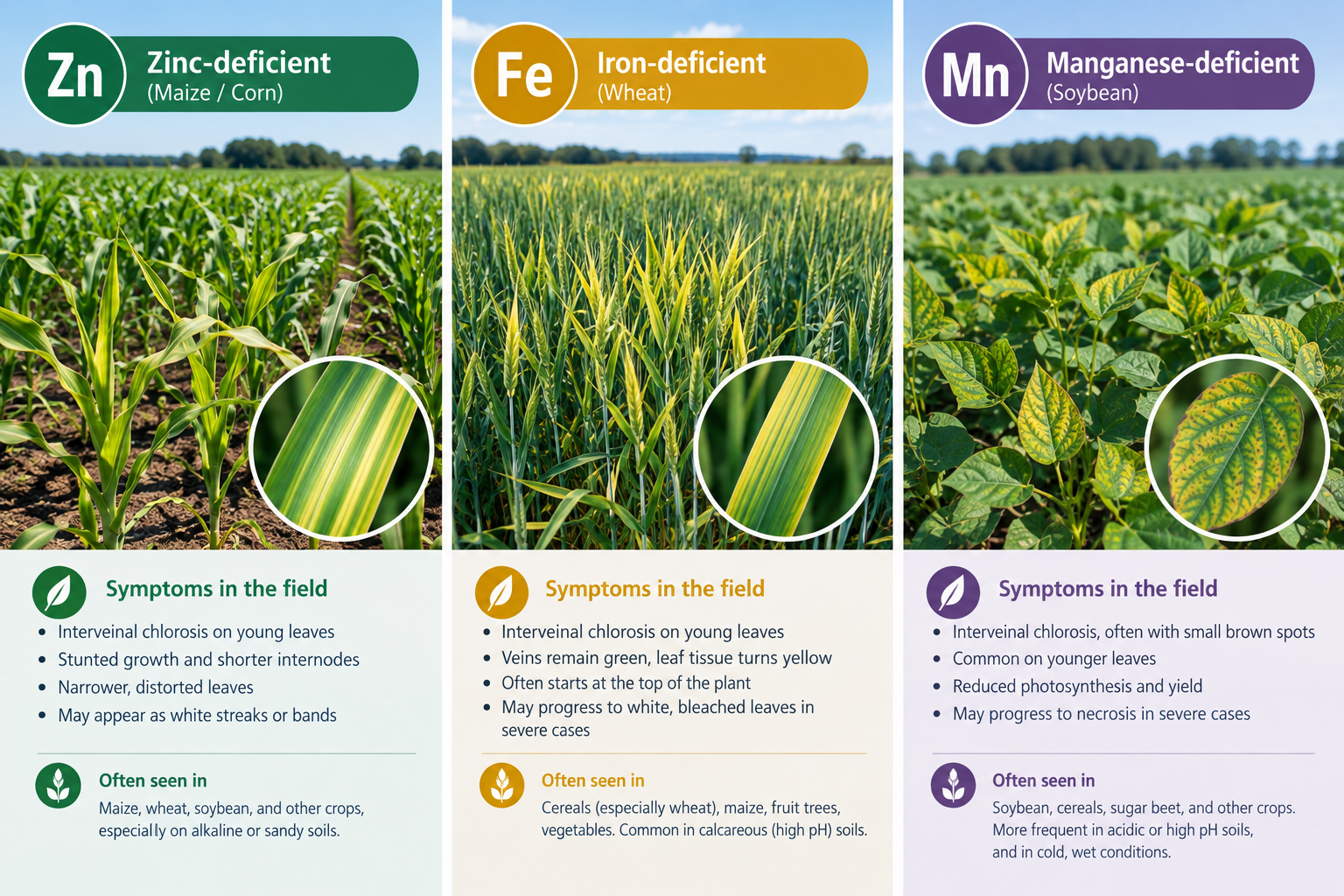
Nutrient mobility within the phloem dictates where deficiency symptoms first appear:
- Highly Mobile (N, P, K, Mg): Translocated from mature tissue to active growth sinks. Symptoms appear first on older, lower leaves.
- Immobile (Ca, B): Cannot be remobilized post-deposition. Symptoms manifest exclusively on youngest leaves and terminal buds.
- Weakly Mobile (Zn, Mo, Mn, Cu, Fe, S): Symptoms generally appear on younger leaves, though onset varies depending on transpiration and metabolic conditions.
Agronomic Benefits of Drone-Based Foliar Nutrition
When soil nutrient lock-up, root damage, or drought limits nutrient uptake, foliar fertilization provides an effective way to deliver nutrients directly to the leaves, bypassing soil-related limitations.
However, as the crop canopy develops, conventional ground spraying becomes more challenging. Heavy machinery can damage mature vegetation and cause soil compaction, while maintaining adequate leaf coverage becomes increasingly difficult.
Agricultural drones provide a practical alternative by applying foliar treatments from above, without driving through the crop. This reduces the risk of crop damage and soil compaction while enabling effective canopy coverage.
Key Benefits of Drone-Based Foliar Applications
- Flexible Treatment Timing: Drone applications can be scheduled around narrow weather and crop-development windows, allowing foliar nutrition to be integrated into dynamic crop management programs.
- Treatment of Irregular or Difficult-to-Reach Areas: Aerial application can provide access to fields with uneven terrain, wet conditions, or other site-specific limitations where conventional application may be impractical.
- Reduced Dependence on Field Accessibility: Because application does not require ground machinery to enter the crop, foliar treatments can remain feasible even when field conditions temporarily restrict conventional equipment.
- Scalable Spot Treatment: When combined with crop monitoring and prescription maps, drones can support localized interventions rather than requiring uniform treatment across an entire field.
- Integration with Precision Crop Management: Drone-based foliar application can form part of a broader digital workflow, linking crop scouting, remote sensing, prescription maps, and targeted nutrient application within a single management strategy.
From Diagnosis to Action
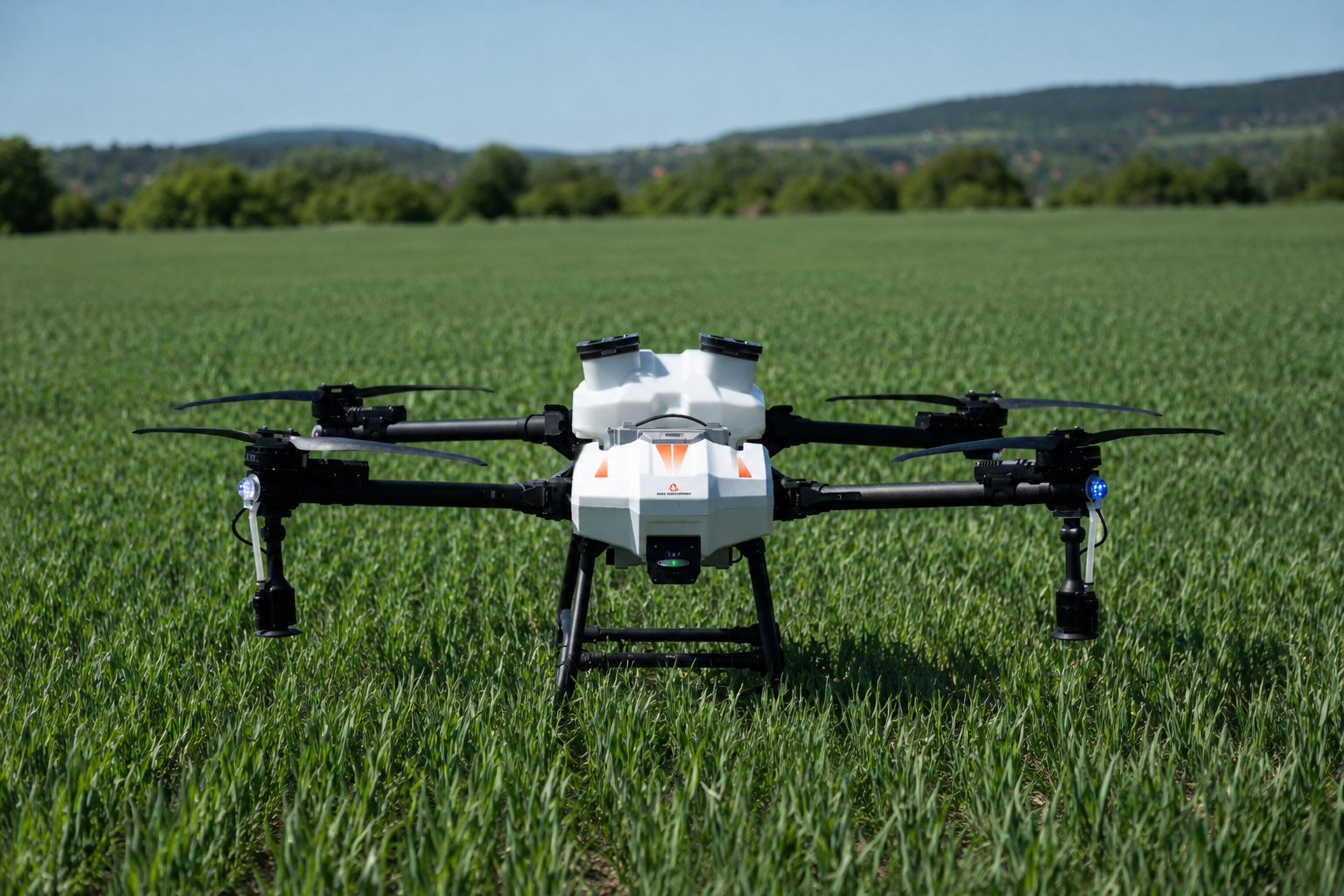
ABZ Innovation agricultural drones provide growers with a practical tool to turn crop diagnostics into targeted action. By combining precise aerial application with timely crop monitoring, ABZ Innovation supports more responsive and efficient foliar nutrient management.