Nutrient Supply in Crops: The Role of Spraying Drones in Climate-Resilient Agriculture
As global warming accelerates, farmers are increasingly facing severe droughts and climate-induced stress on their cultivated crops. Consequently, pests and infections are appearing more frequently, making it essential to actively improve crop stress tolerance.
Properly nourished plants show significantly higher biotic resistance. For example, targeted foliar fertilization combined with nitrogen stabilizers in corn has been shown to significantly reduce cob infection symptoms caused by fungi like Aspergillus flavus and Fusarium verticillioides (Racz et al, 2021). While traditional soil fertilization remains the foundation of agriculture, the application of foliar fertilizers is currently being revolutionized by spraying drones, making it a precise and indispensable tool for climate-resilient farming.
The Synergistic Relationship: Root vs. Foliar Uptake
Foliar fertilization should never be considered a replacement for soil nutrition; the root remains the primary organ for water and nutrient uptake. However, during the vegetation period, soil-based nutrients are often no longer sufficient due to mounting environmental stress.
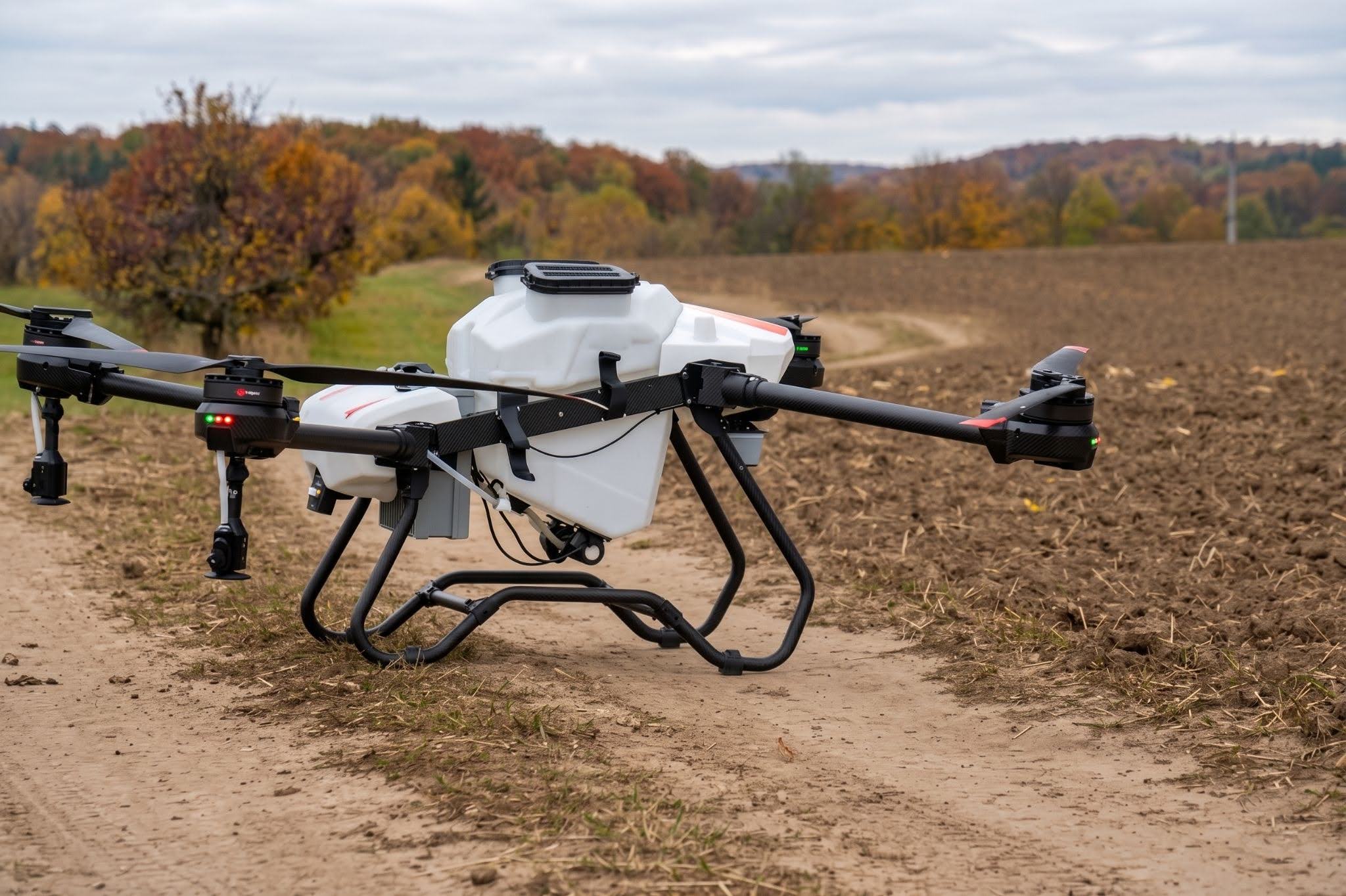
- Stage-Specific Needs: Foliar fertilization is rarely a one-time intervention. Crops require multiple applications aligned with their phenological growth stages. Drones enable flexible, precisely timed interventions that match these biological needs much better than conventional methods. To practically execute these targeted applications, the ABZ Innovation L-series spraying drones feature CDA technology. This system allows for real-time droplet size adjustment matched to canopy density and specific growth stages, ensuring uniform coverage even on lower leaves with minimal drift.
- Operational Efficiency: Foliar fertilizers are frequently compatible with other plant protection agents. They can be tank-mixed with fungicides, enabling simultaneous nutrient supply and disease control in a single pass.
Combating Climate Change and Drought
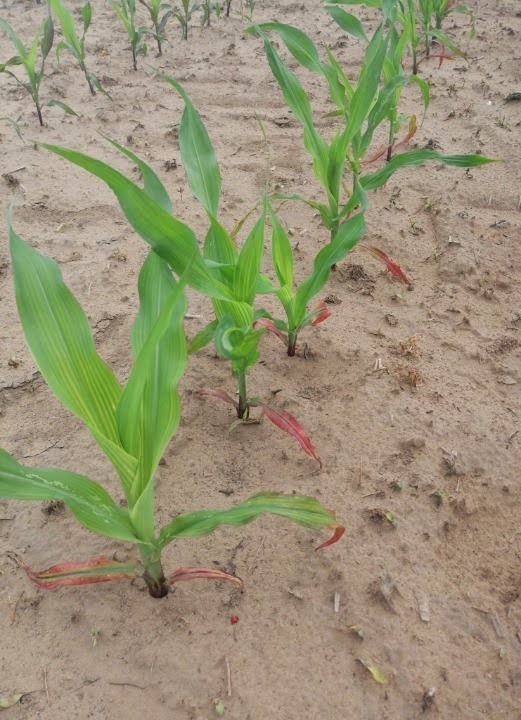
The climate crisis has made rainfall highly irregular. Long, exhausting droughts are often followed by massive, sudden downpours, leading to waterlogged soils where roots can suffocate.
- Bypassing Dry Soil: If the soil is dry, root-based nutrient uptake becomes incredibly difficult and requires a massive, inefficient energy investment from the plant. Spraying drones bypass the uncooperative soil entirely, delivering nutrients directly to the canopy where they are absorbed safely and with much less dependence on rainfall.
- Reducing Oxidative Stress: Foliar treatments demonstrably lower the plant’s oxidative stress caused by drought. Field indicators of abiotic stress—such as malondialdehyde content and proline levels—significantly decrease in treated crops.
- Building Natural Immunity: Optimal levels of Phosphorus and Potassium directly improve a plant’s disease resistance. Potassium, for instance, promotes the thickening of epidermal cell walls, making it physically harder for pathogens to invade.
How Leaves Absorb Nutrients
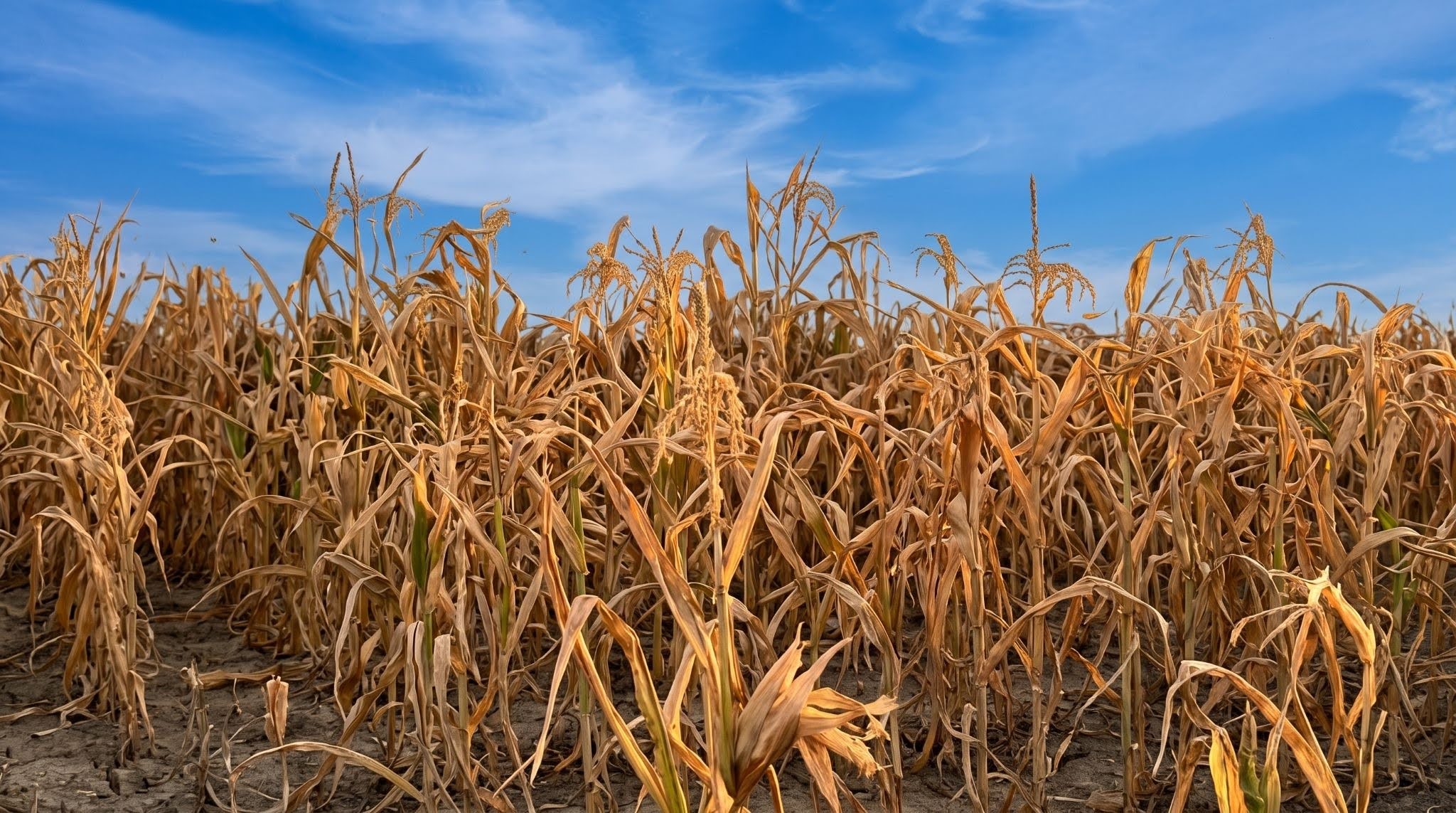
Foliar uptake is a highly efficient complementary mechanism. Nutrients penetrate the leaf surface directly through the cuticle and stomata into the active photosynthetic tissues, providing several vital benefits:
- Immediate Effect: When environmental conditions are poor, time is critical. Drones deliver a dilute solution of vital nutrients that are built into the plant tissues within a remarkably short window of just 2 to 4 hours. This rapid absorption quickly cures hidden microelement deficiencies (like Zinc and Magnesium), preventing permanent deterioration.
- Physiological Boost: Applying nutrients directly to the leaves darkens the green color by increasing chlorophyll-a, chlorophyll-b, and carotenoid content. When combined with a nitrogen supply, this drastically boosts the intensity of photosynthesis and respiration.
- Antioxidant Defense: Microelement-enriched sprays (such as Zinc, Copper, and Manganese) actively support antioxidant defense. They optimize the activity of key enzymes like Superoxide Dismutase (SOD), making the plant highly capable of neutralizing cell-damaging free radicals.
Precision, Accessibility, and Safety
- Overcoming Soil Lock-ups: Applying the right microelements is critical, but unfavorable soil pH can easily lock these nutrients away, resulting in “hidden deficiency diseases.” Drones bypass soil-based chemical lock-ups entirely. Because microelements are required in tiny amounts, drones can safely apply highly concentrated, low-volume solutions with pinpoint accuracy, posing zero risk of environmental pollution.
- Eliminating Mechanical Damage: In crops like tall, late-stage corn or dense sunflowers, traditional spraying tractors cannot enter without causing severe mechanical damage. Drones glide effortlessly over fully grown canopies, ensuring crops receive vital nutrients at critical developmental stages without crushing the plants or compacting the soil.
Enhancing Yield and Crop Quality
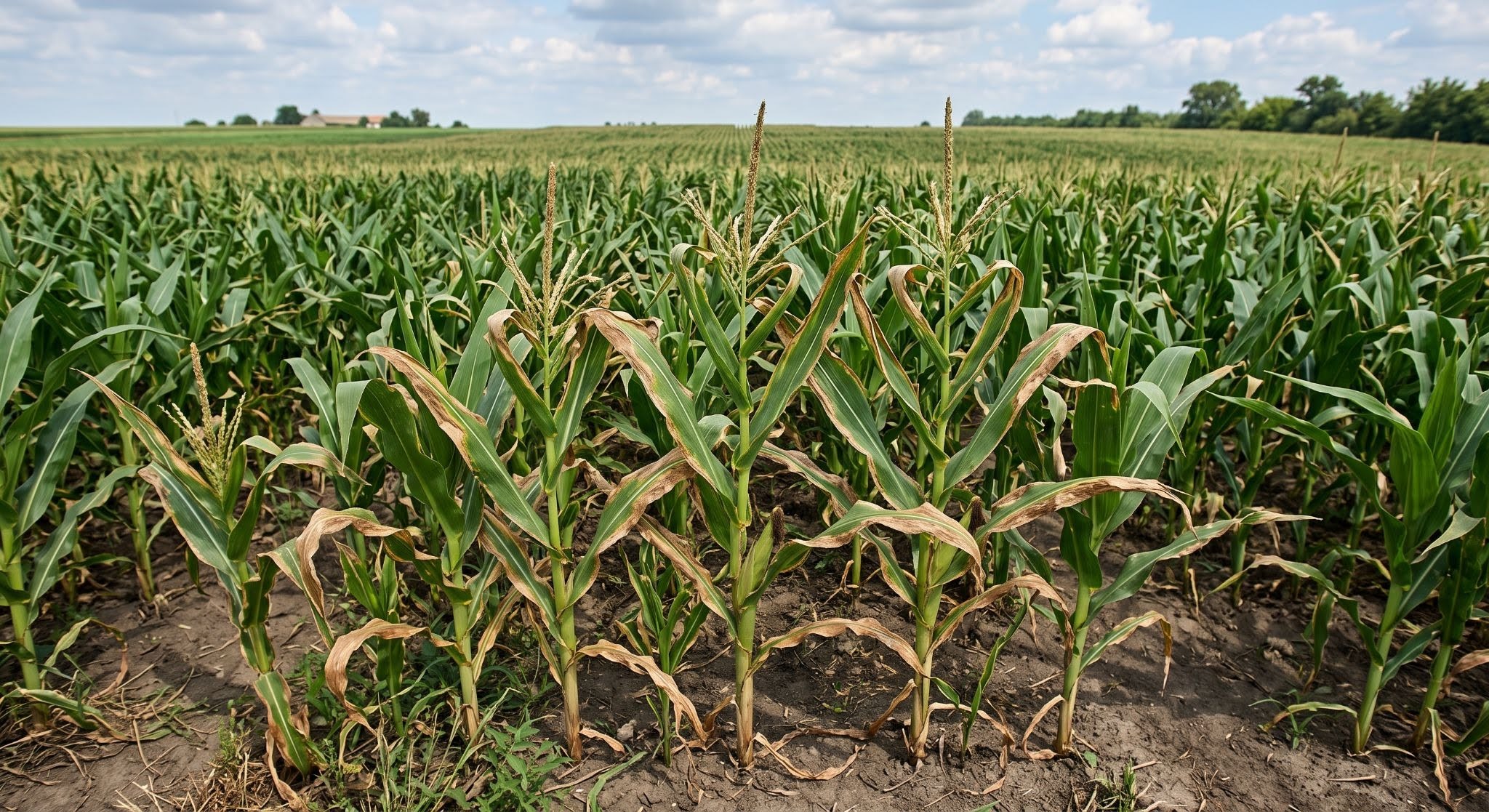
Beyond stress management, scientifically timed foliar fertilization has a direct, measurable impact on harvest outcomes:
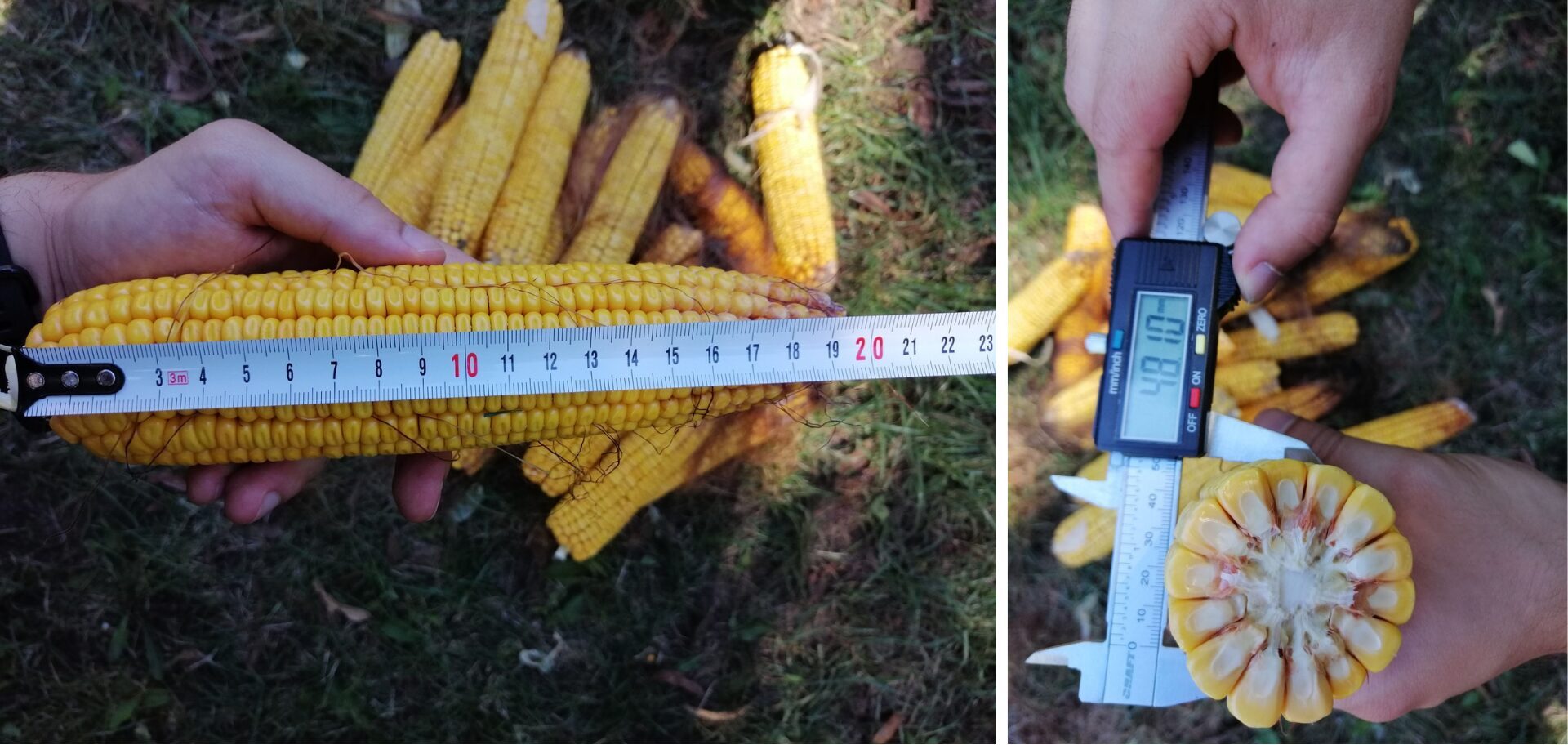
- Yield Increase: Field trials, particularly in corn, show that treated parcels yield a significantly higher thousand-kernel weight, alongside an increase in both cob length and cob thickness compared to untreated controls (Rácz et al., 2021).
- Quality Improvement: Treatments directly contribute to better internal grain values, slightly but positively shifting the protein, oil, and starch content of the final harvest.
Schlussfolgerung
As biological threats multiply and the climate becomes less predictable, relying solely on traditional soil fertilization is no longer viable. By combining the rapid, targeted, and energy-efficient benefits of foliar fertilization with the unparalleled accessibility of drone technology, modern agriculture can successfully cultivate climate-resilient, healthy, and high-yielding crops. Through field-proven systems like the ABZ Innovation L-series, farmers gain a dependable, scalable tool to protect crop health and secure maximum yield potential in an evolving climate.