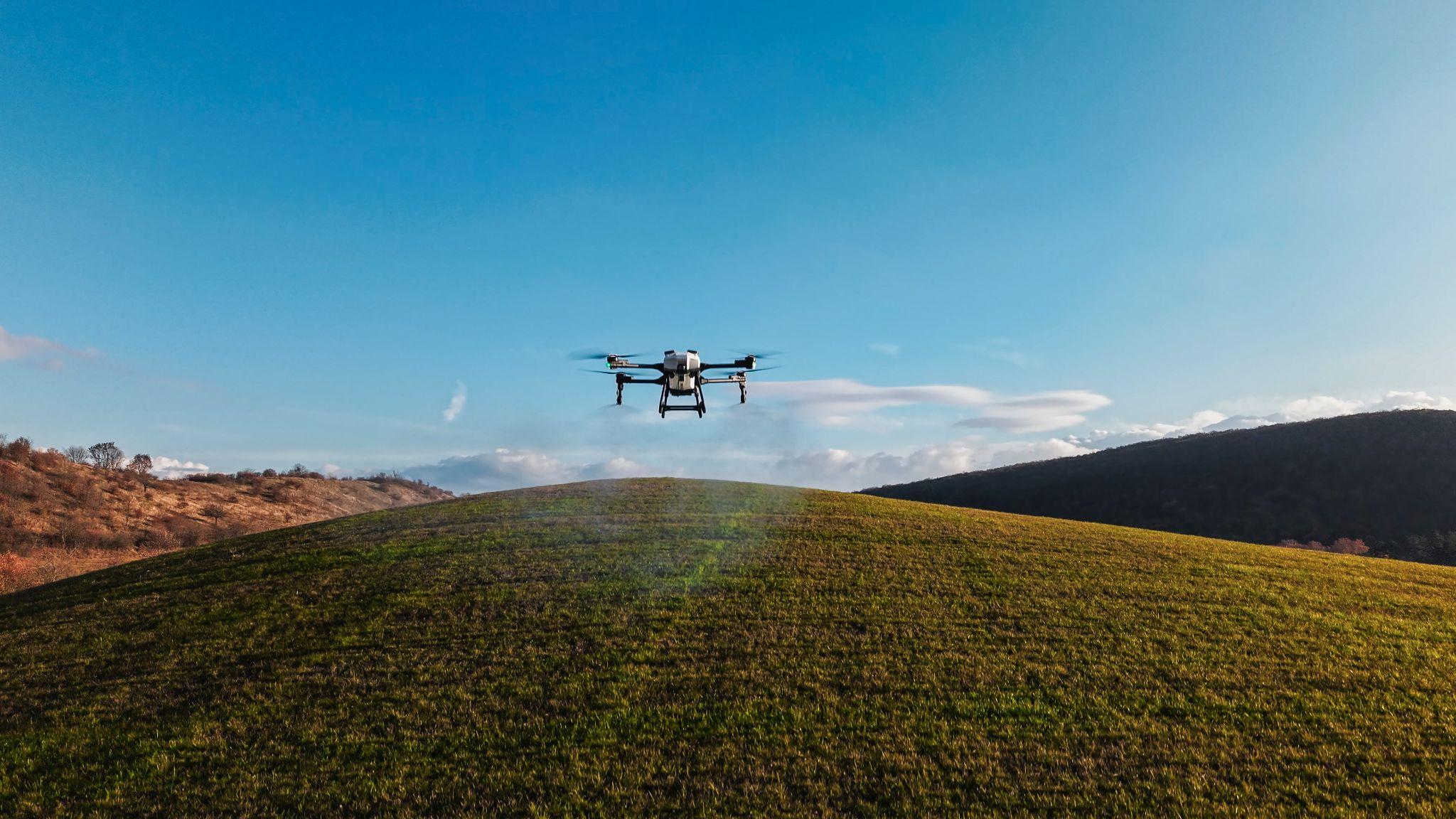
Farming on Difficult Terrain: Where Spraying Drones Make the Difference
When field conditions call for new solutions
One of the most important goals of modern crop protection is to apply the right treatment at the right time and in the right place. In practice, however, terrain, soil conditions, field layout and crop development can all influence how and when spraying operations can be carried out.
Steep slopes, terraced vineyards, wet fields, fragmented plots and tall crops can create situations where conventional ground-based spraying requires careful planning. In these conditions, the challenge is not simply how to access the field: treatment timing and the protection of yield potential are equally important.
Spraying drones offer new possibilities in these situations. By applying products from the air, farmers can manage areas where access or conventional spraying may require additional planning. This approach can help maintain timely crop protection, reduce ground traffic and support the preservation of yield potential.
Steep slopes and terraced fields
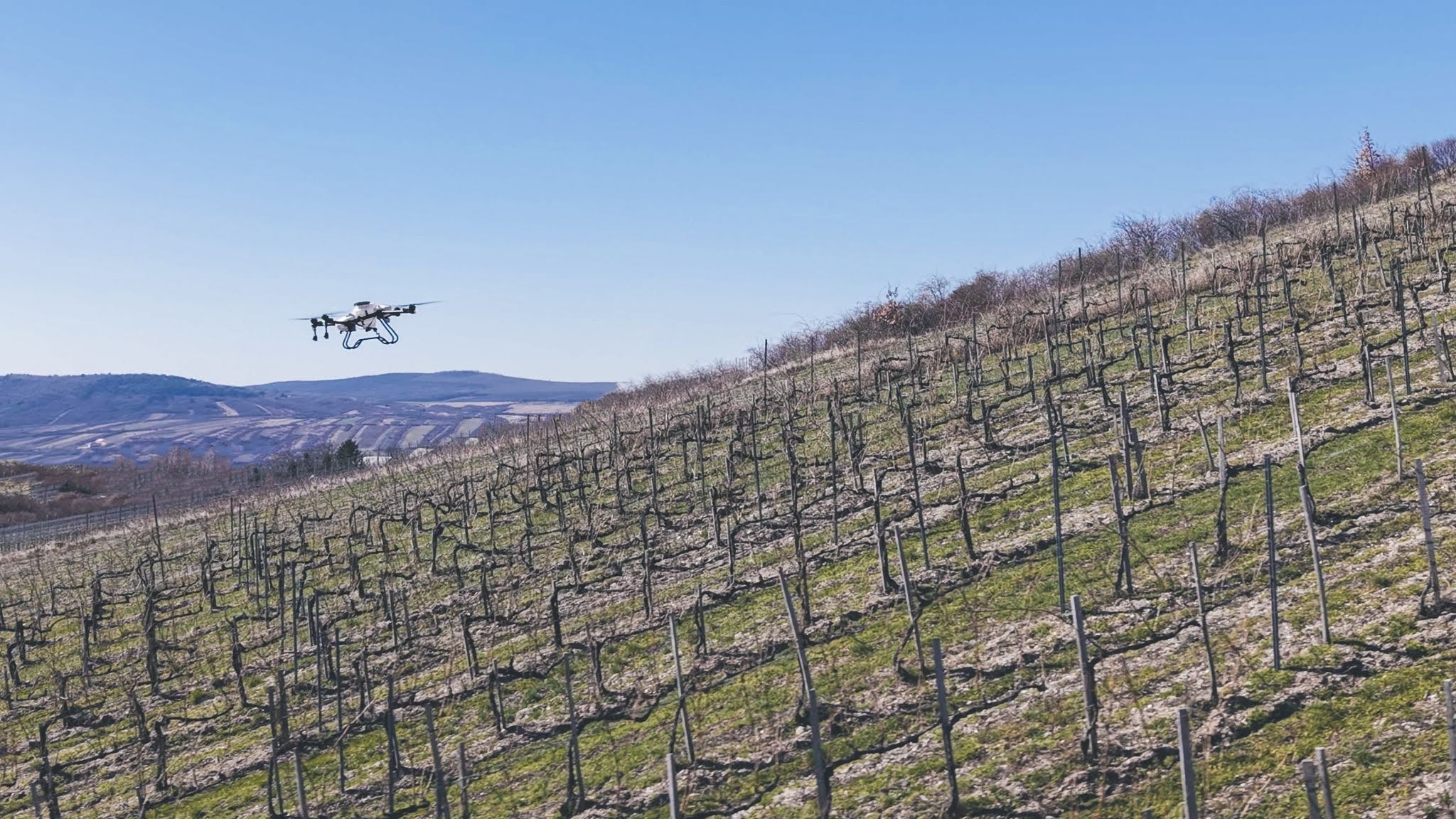
Vineyards, orchards and fields in hilly regions are often located on varied terrain. Steep slopes, narrow rows and terraces can make it more difficult for conventional machinery to move around, making careful planning essential for crop protection.
The aerial approach of spraying drones can provide a flexible option for treating these areas. Spraying from above reduces dependence on ground access routes and creates new opportunities for crop protection on sloping and irregularly shaped land.
This can be particularly valuable when treatment cannot be postponed. Timely application can help reduce losses caused by pests and diseases, supporting the preservation of the crop's attainable yield.
Wet soils and narrow treatment windows
Weather often determines when crop protection treatments can be applied. Following rainfall, soil may remain wet for an extended period, while crop development and pest or disease pressure continue to progress according to their own timelines.
One important advantage of spraying drones is that they do not need to travel across the entire field on the ground during application. This can reduce ground traffic and give farmers greater flexibility when planning crop protection operations.
Timely treatment can be especially valuable when crop protection needs change quickly. If an application helps prevent significant crop damage, its value extends beyond the cost of the spraying operation itself. Preserved yield and crop quality are also important economic considerations.
Fragmented fields and hard-to-reach areas
Not every farm consists of large, continuous fields. Smaller plots, irregular boundaries, tree-lined areas and diverse field layouts all call for flexibility when planning crop protection operations.
Spraying drones allow application tasks to be adapted to the characteristics of individual fields. Planned flight routes and, where supported, map-based field management can help organize operations and enable smaller or less accessible sections to be treated more precisely.
This flexibility is particularly valuable when a delayed or missed treatment could lead to significant yield losses. Aerial application can provide a practical way to make use of the available treatment window and help protect valuable crops.
Tall crops: protecting yield through to harvest
In maize, sunflower and other tall crops, crop development influences how plant protection operations can be carried out. As the growing season progresses, ground traffic between rows and through the crop can increase the risk of physical plant damage.
Spraying drones apply products from above, eliminating the need for ground machinery to travel across the entire field during the treatment. This can help reduce mechanical stress on the crop and support yield protection during later growth stages.
Protecting yield also means safeguarding the value of the work, seed, nutrients and crop protection measures invested throughout the growing season. When a timely treatment helps prevent damage, its economic importance can extend well beyond the spraying operation itself.
Effective application: aligning technology with agronomic conditions
Successful drone spraying on difficult terrain requires balancing technology with environmental conditions to achieve optimal and safe results. To maximize treatment quality, operators should focus on the following key areas:
- Technology & Optimization: Utilize modern drone configurations to adapt flight speed, working width, and droplet size to the specific crop and task.
- Environmental Factors: Account for weather conditions, including wind, temperature, and humidity during application.
- Safety & Compliance: Strictly adhere to agronomic goals, product label requirements, and local regulations.
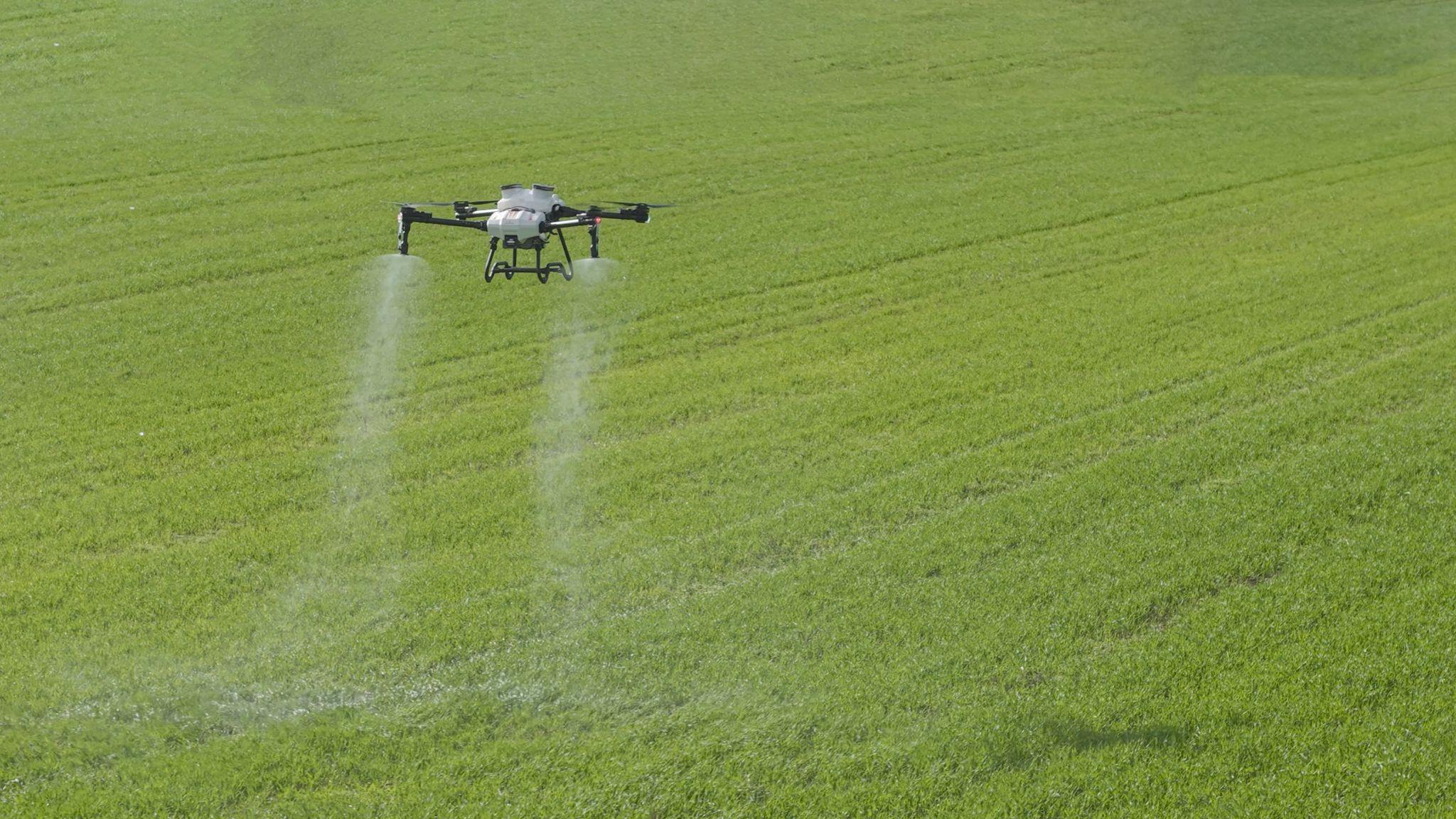
ABZ Innovation L Series: Solutions for Varied Terrain
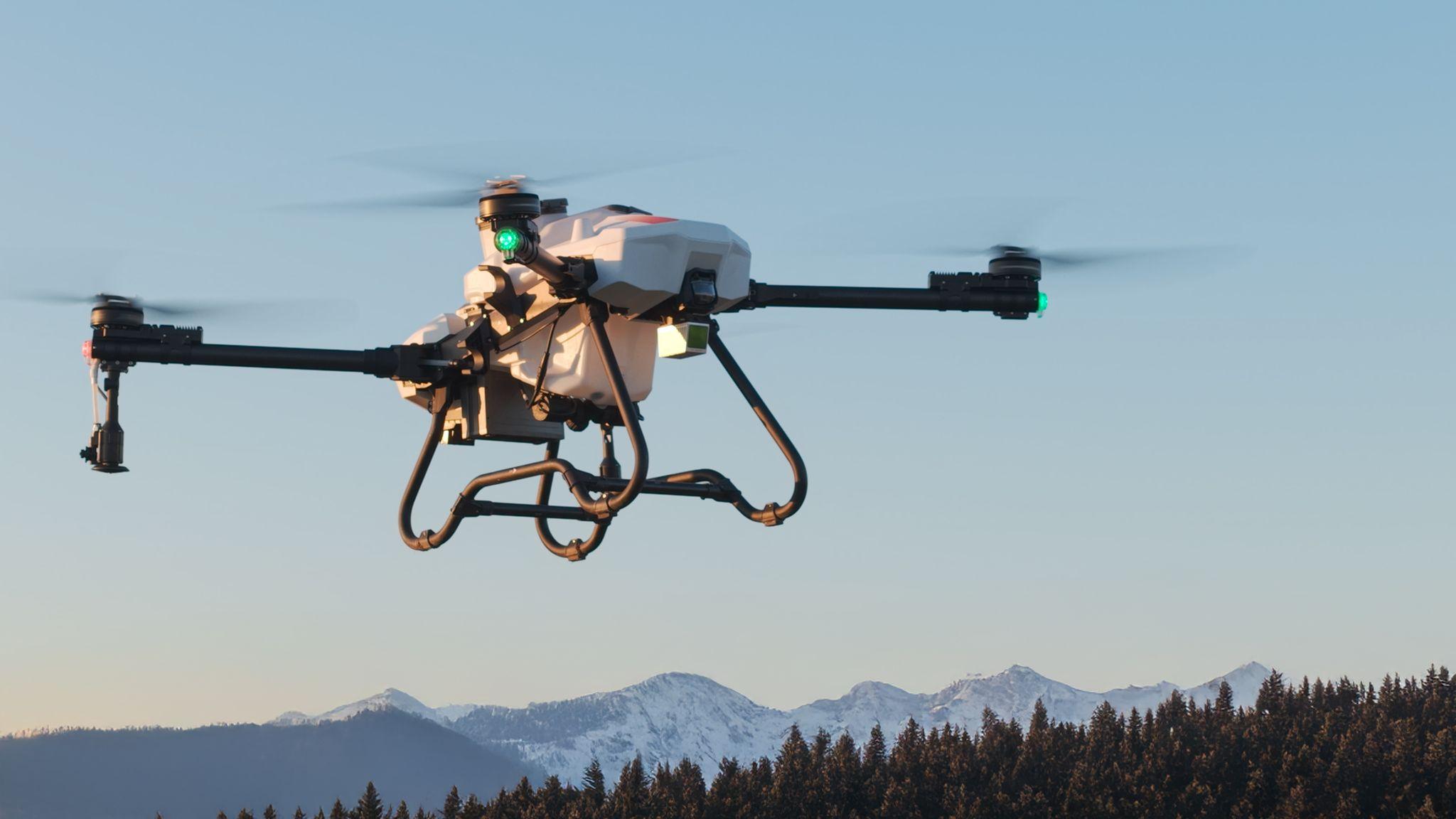
The ABZ Innovation L Series spraying drones are designed to support efficient and flexible aerial application. With different tank capacities, the L10 V2, L30 V2 and L50 offer solutions for a variety of agricultural tasks and application requirements. Advanced CDA rotating-disc application technology, adjustable droplet size and working width, and flight-planning functions help adapt operations to specific needs. The L30 V2 and L50 also feature ABZ Sense LiDAR-based obstacle detection and collision avoidance technology.
Their versatile design and precision application features help operators organize crop protection tasks efficiently, reduce ground traffic and preserve yield potential. The L Series is therefore a valuable tool for modern, flexible and yield-focused crop protection.
Conclusion: difficult terrain does not have to mean limited options
Difficult terrains and tall crops make the timing of crop protection critical. Spraying drones offer a practical solution by enabling timely aerial applications that reduce ground traffic and mechanical stress on plants. Ultimately, the goal is yield protection—preventing damage to safeguard your agricultural investment. The ABZ Innovation L Series, with its versatile tank capacities and precision technology, provides the flexibility needed for modern, efficient, and yield-focused farming.