The BBCH Scale in Precision Agriculture: Why the Right Growth Stage Is Key to Drone Application
Understanding a crop’s growth stage is more than just part of crop management. It also determines when an intervention may be necessary, which treatments may be appropriate, and how drone technology can be integrated into crop production.
What Is the BBCH Scale, and What Do the Numbers Mean?
In modern crop production, the timing of treatments is just as important as selecting the right product or application technology. As plants develop, their structure, leaf area, flowering stage, fruit formation, and susceptibility to pests and diseases change continuously. These changes directly affect the potential effectiveness of crop management interventions.
The BBCH scale provides a standardized way to describe plant development by assigning codes to the growth stages of different crop species. It was developed to ensure that plant growth stages can be clearly identified and consistently described in agricultural practice, research, and crop protection recommendations.
The BBCH system provides a common coding framework for plant development. Rather than simply describing a crop as young or mature, it allows us to identify its specific stage of development more precisely.
The main BBCH growth stages are identified by the first digit of the code:
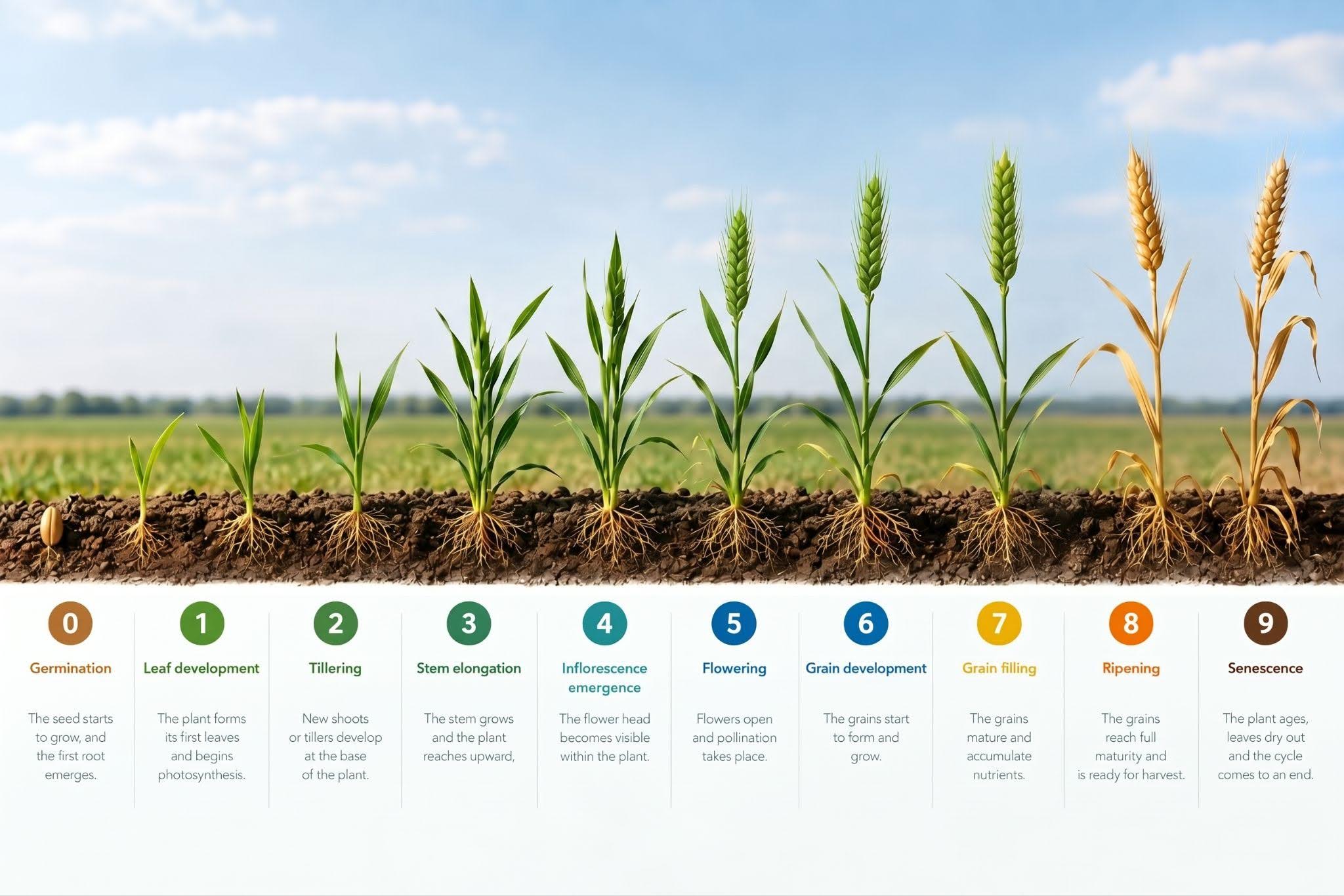
The exact interpretation is always crop-specific. Not every crop uses all the principal growth stages, and the same code may describe different, species-specific developmental characteristics.
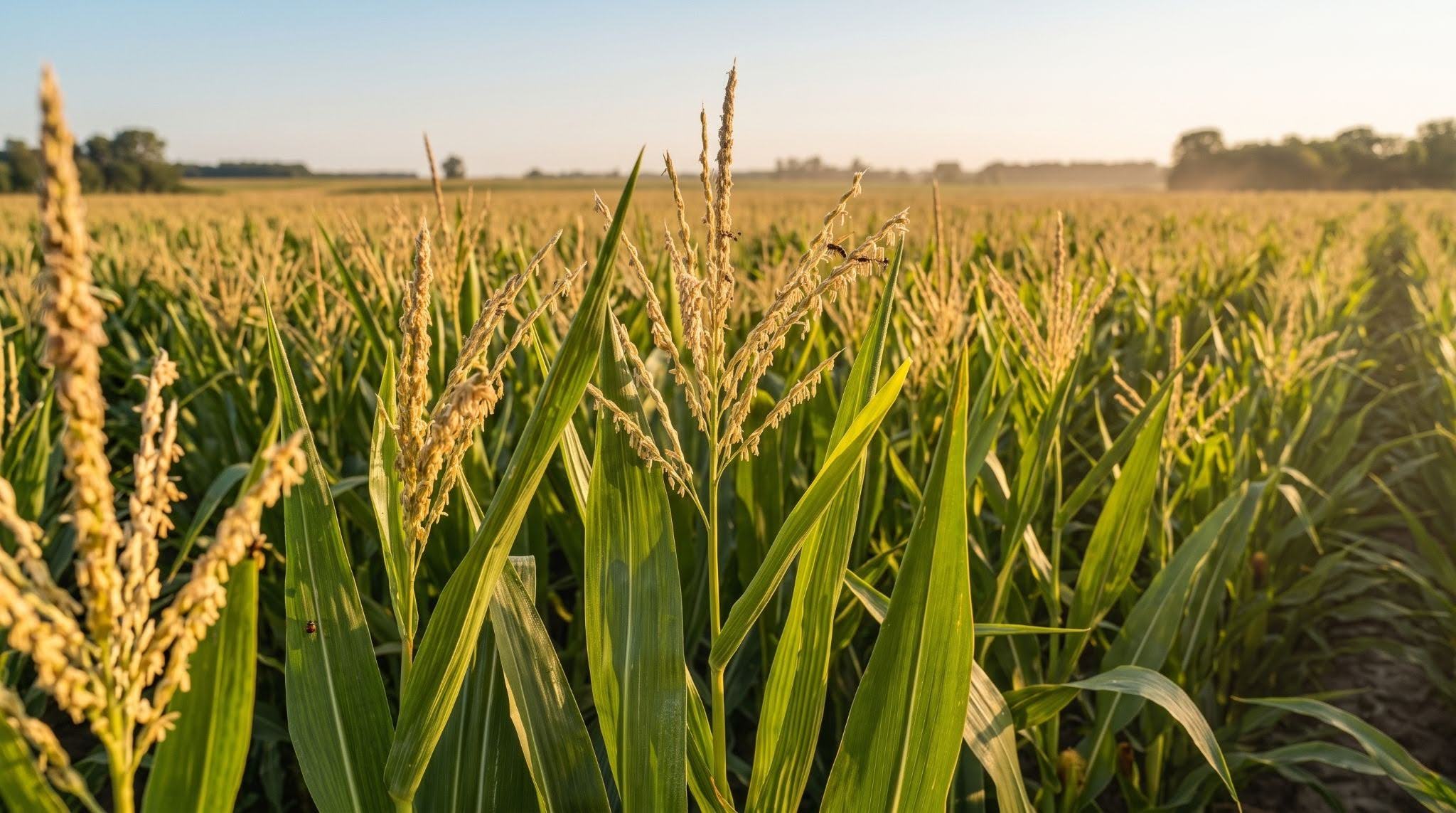
Two-digit BBCH codes provide additional detail. For example, BBCH 13 in cereals generally indicates the development of three unfolded leaves, whereas BBCH 14 in maize corresponds to four unfolded leaves. The BBCH description for the specific crop should therefore always be consulted when interpreting a code.
Why Is the BBCH Scale Important for Crop Protection and Nutrient Management?
Selecting the right treatment timing involves several factors. These include the crop’s current growth stage, the presence of pests and diseases, weather conditions, disease pressure, local growing conditions, and the application requirements of the selected product.
The BBCH scale provides a common technical language for these decisions. It allows growers, crop protection specialists, drone pilots, and agricultural technology advisors to refer to the same clearly defined growth stage.
The practical use of the scale offers several advantages.
1. Treatment timing
Certain crop protection interventions are effective or permitted only during specific growth stages. Monitoring crop development helps prevent treatments from being applied too early or too late.
2. Identifying changing crop requirements
Leaf development, flowering, and fruit formation represent different physiological processes. The need for foliar nutrient applications should therefore be assessed in relation to the crop’s growth stage, nutritional requirements, and nutrient status.
3. Monitoring crop protection risks
The crop’s development and the life cycles of pests and pathogens jointly influence the optimal timing of control measures. BBCH codes provide an important reference point, but they cannot replace field scouting, pest forecasting, or the assessment of disease pressure.
4. Recording and comparing treatments
Recording the BBCH stage at the time of treatment makes it easier to compare crop management practices across different fields, growing locations, and seasons.
What Does This Mean for Drone Application?
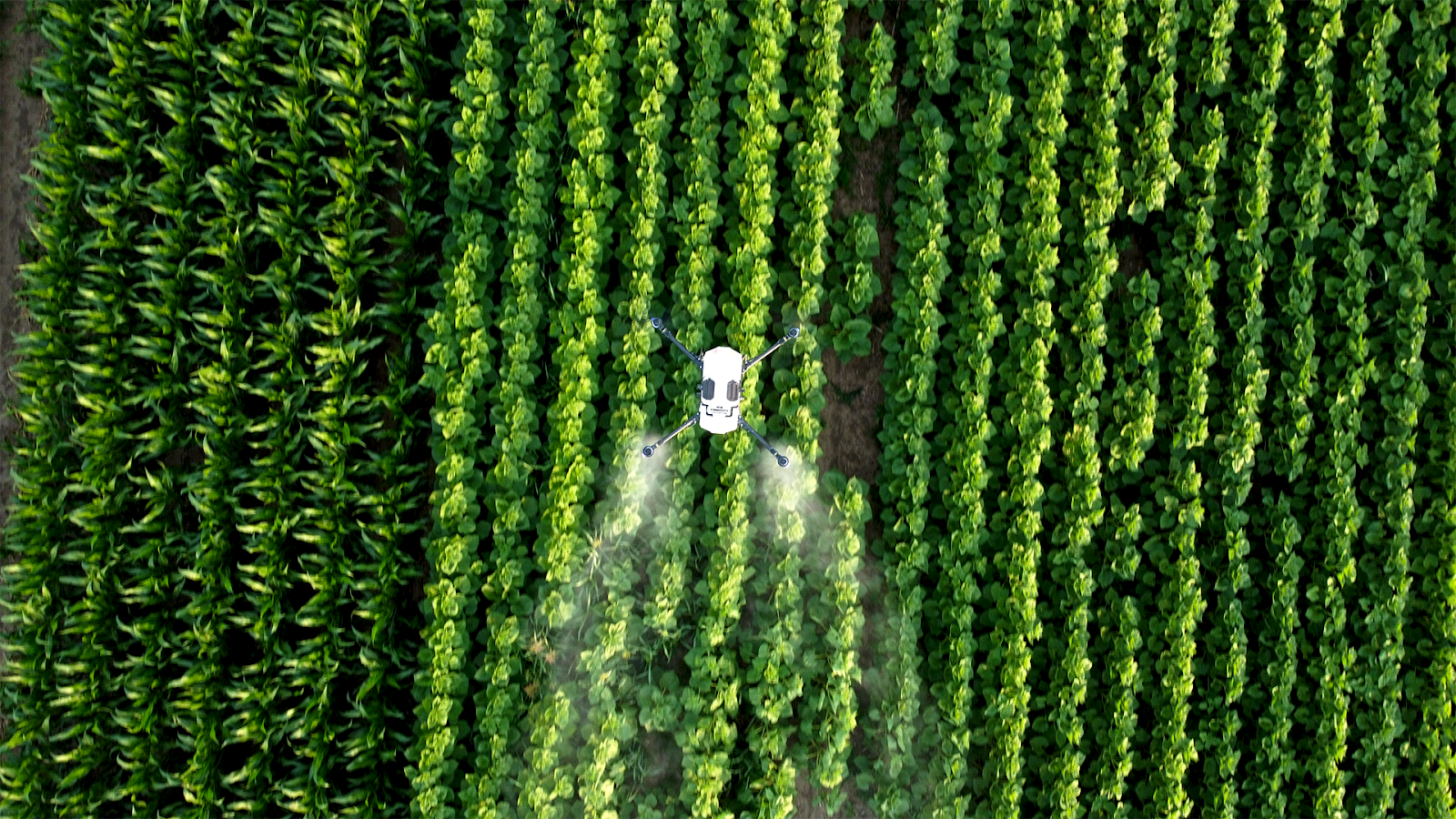
One of the key advantages of agricultural drone application is its flexibility, allowing treatments to be scheduled around crop development when conditions are suitable. This can be particularly valuable when conventional ground machinery is restricted by wet soil, difficult terrain, sloping fields, or the risk of crop damage caused by machinery traffic.
However, using a drone does not automatically make a treatment effective. The growth stage, application parameters, spray coverage, droplet size, flight altitude, and weather conditions must all be considered together.
The BBCH scale therefore serves primarily as a timing and decision-support tool in drone application planning. It helps identify the growth stages at which a particular treatment should be evaluated and when drone application may be appropriate.
Conclusion: The Right Timing Is Part of the Technology
The BBCH scale is an important reference tool in modern crop production. It provides a standardized framework for describing plant development, supports treatment planning, and facilitates technical communication between growers, crop protection advisors, and drone service providers.
In drone application, a BBCH code is not a treatment prescription in itself, but a starting point for informed decision-making. By assessing the crop’s growth stage, crop protection risks, nutritional status, application technology, and applicable regulatory requirements together, it is possible to determine when an intervention may be justified and which treatments are appropriate.
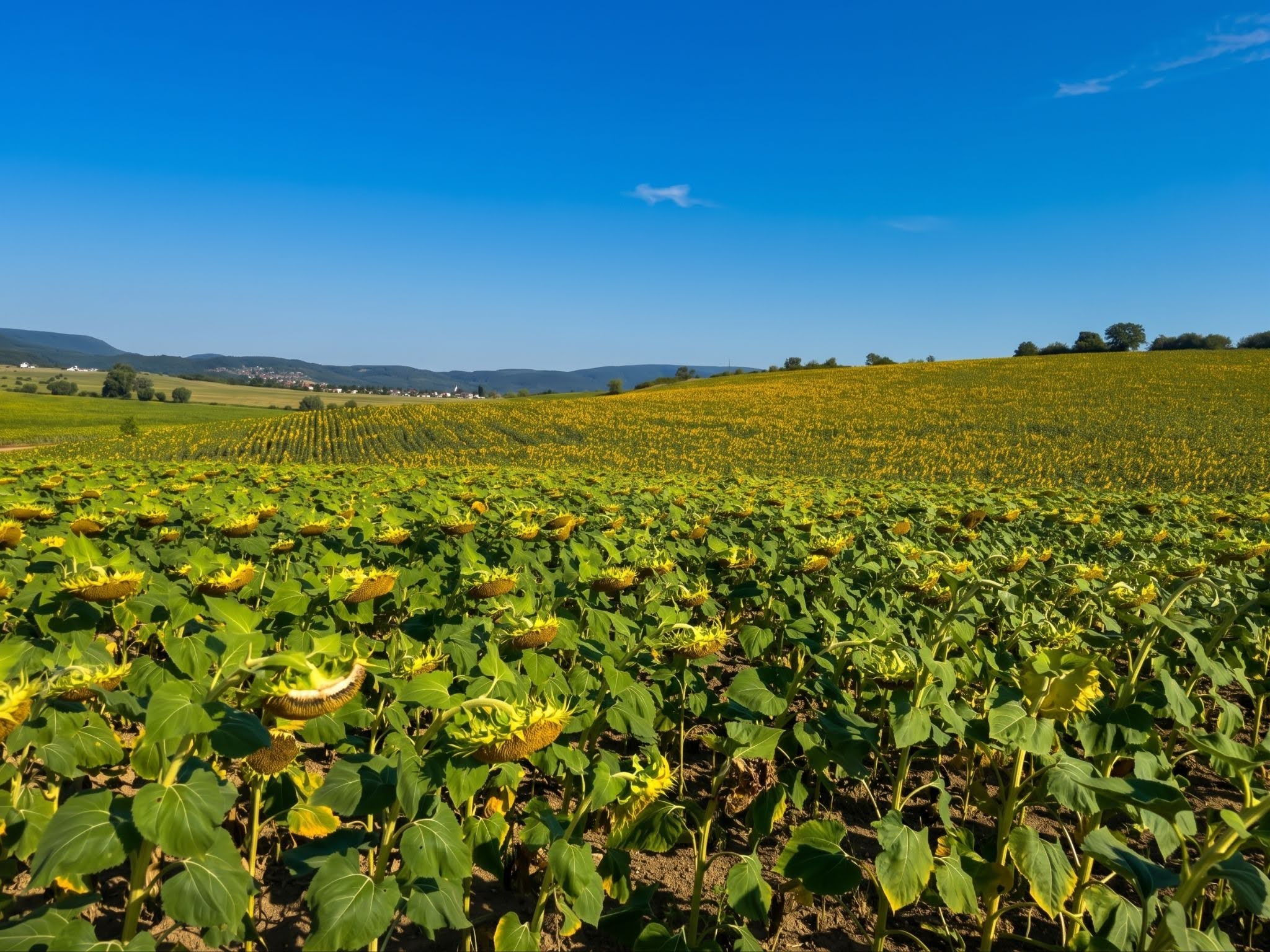
At ABZ Innovation, we aim to support the practical use of drone technology through professional guidance and educational resources. As part of this initiative, we have already developed BBCH guides for several crops, focusing specifically on treatments that can be applied by drone. These guides are available on our website by clicking the “Drone Spray Guide” button. They help users identify crop growth stages and review potential drone-applicable treatments for different stages of crop development.
It is important to emphasize that these BBCH guides are informational resources intended for general guidance. They do not replace the assessment of local growing conditions or tailored crop protection advice. When selecting the appropriate treatment timing and application technology, users should always consider local climate and weather conditions, the current state of the crop, the presence of pests and pathogens, specific cultivation practices, and applicable local regulations. Before planning a specific crop protection intervention, consultation with a local agronomist or qualified crop protection advisor who understands the local conditions is strongly recommended.
In precision agriculture, it is not enough to know how to apply a product. It is equally important to understand when, why, and under what conditions an intervention should take place. The BBCH scale provides a valuable reference for these decisions, while local agronomic expertise and the appropriate drone technology together help establish the basis for effective and responsible application.