
Biotic and Abiotic Stress Reduction in Modern Agriculture
Biotic and Abiotic Stress Reduction: Physiological Mechanisms and Precision Mitigation in Agronomy
Modern crop production operates in an increasingly volatile environment. Climate-induced extremes, soil degradation, and evolving pest pressures directly challenge plant physiology, leading to significant yield penalties. Achieving sustainable high yields requires an integrated agronomic approach to mitigate the two fundamental drivers of plant stress: abiotic and biotic factors.Crop Stress Physiology: Mechanisms and Impacts
The physiological response of crops to environmental stress factors follows distinct, sequential phases (General Adaptation Syndrome in plants):- Alarm Phase: Upon exposure to an acute stressor (e.g., sudden drought or pathogen invasion), the plant’s natural resistance drops temporarily toward a minimum threshold. Severe initial stress can induce acute cellular damage during this phase.
- Resistance Phase (Acclimation/Hardening): The plant mobilizes its internal defense mechanisms (e.g., synthesis of stress proteins, antioxidants, and osmoprotectants), elevating its functional resistance to maximum capacity.
- Exhaustion Phase & Recovery: Prolonged stress exposure depletes metabolic reserves. If the stressor is mitigated in time through targeted agronomic interventions—such as precision biostimulant or drone-based crop protection treatments—the plant enters the recovery phase back to standard physiological functioning. Without intervention, exhaustion results in chronic damage and cell death.
1. Abiotic Stress
Abiotic stress arises from physiological disruptions caused by physical and chemical environmental extremes:- Drought and Water Deficit: Triggers stomatal closure mediated by abscisic acid (ABA), restricting CO2 fixation, impairing photosynthesis, and inducing osmotic stress that leads to cellular dehydration.
- Thermal Stress (Extreme Heat and Frost): High temperatures cause protein denaturation, reactive oxygen species (ROS) accumulation, and excessive photorespiration. Cold and frost disrupt cell membrane integrity and cause ice-crystal formation within intercellular spaces.
- Salinity and Osmotic Stress: High soil EC (electrical conductivity) restricts water potential gradients, preventing root water uptake while inducing ion toxicity (e.g., Na+ and Cl– accumulation).
- Nutrient Imbalance & Soil Degradation: Deficiencies in essential macro- and micro-elements impair enzymatic pathways, chlorophyll synthesis, and structural cell wall development.
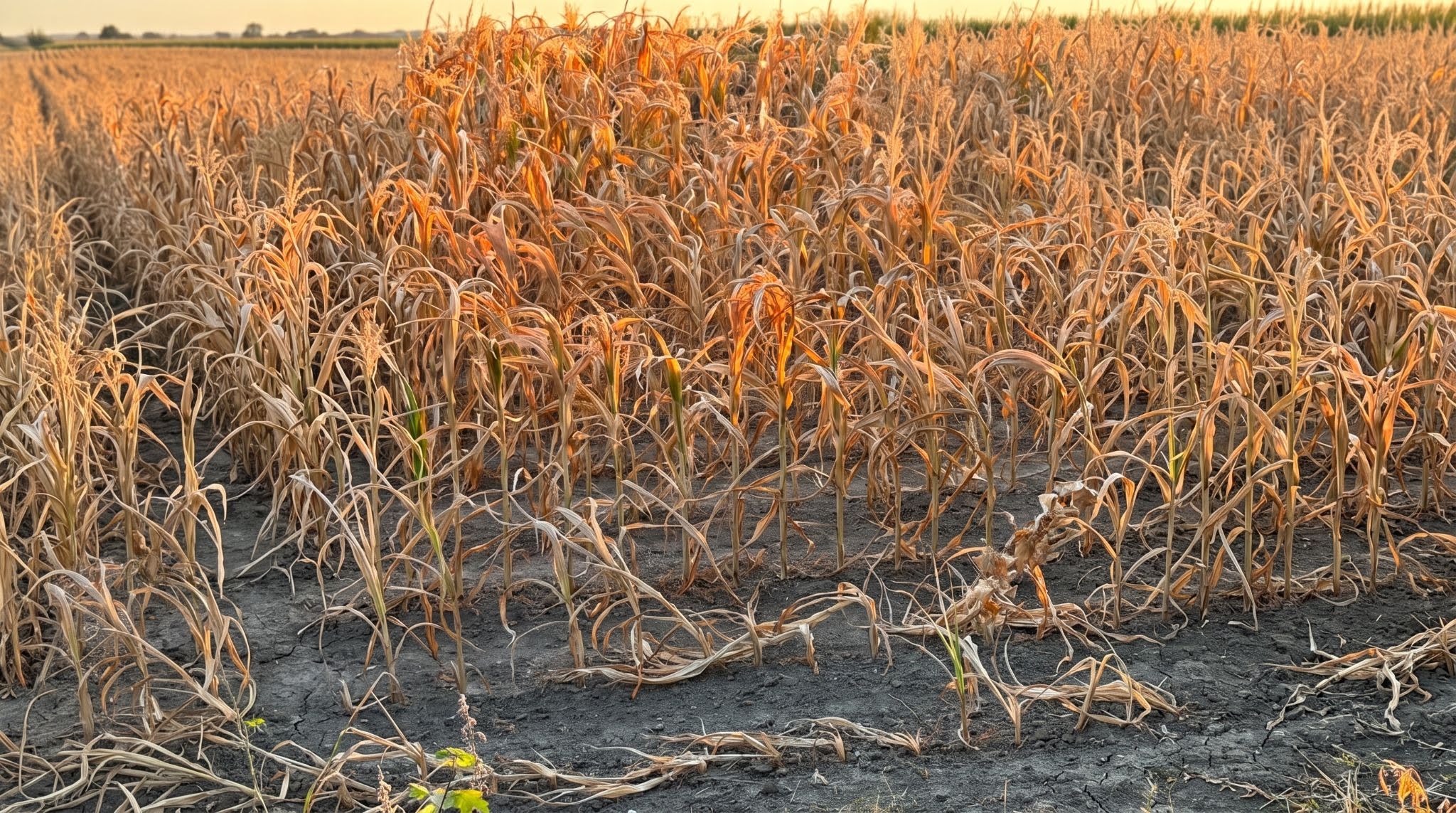
2. Biotic Stress
Biotic stress results from damage inflicted by living organisms that compete with or parasitize the host plant:- Phytopathogens (Fungi, Bacteria, Viruses): Impair vascular transport (e.g., vascular wilts), destroy photosynthetic leaf area (blights, rusts, mildews), and drain metabolic resources.
- Herbivorous Insects: Cause mechanical tissue loss through chewing or vector viral pathogens through piercing-sucking feeding habits.
- Weed Competition: Competes aggressively for Photosynthetically Active Radiation (PAR), soil moisture, and mineral nutrients, while acting as alternative hosts for pests and diseases.
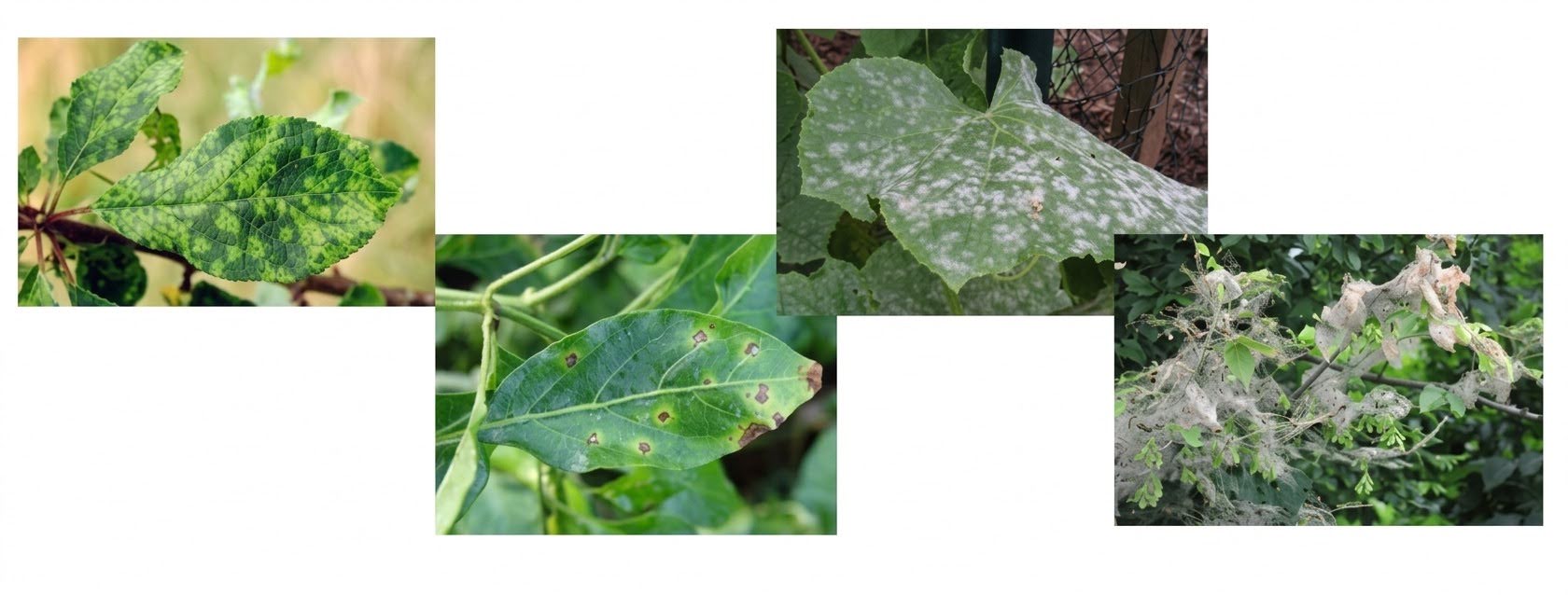
Integrated Agronomic Strategies for Stress Mitigation
Effective stress reduction combines proactive crop management with precise curative interventions:- Biostimulant Application & Osmoprotection: Exogenous application of amino acids (e.g., proline), seaweed extracts (Ascophyllum nodosum), and humic substances enhances ROS scavenging, maintains cell turgor, and regulates endogenous phytohormone balances during abiotic stress events.
- Precision Integrated Pest Management (IPM): Combining biological control agents, targeted chemical active ingredients, and crop rotation limits resistance development and preserves beneficial agro-ecosystems.
- Soil Health & Water Use Efficiency: Implementing minimum tillage, cover cropping, and targeted fertigation optimizes root architecture, soil organic matter, and moisture retention.
- Site-Specific Spot Interventions: Identifying localized stress zones early enables targeted micro-applications, preventing disease epicenters from expanding across the canopy.
The Role of ABZ Innovation Drones in Stress Management
Conventional application machinery—such as heavy self-propelled or tractor-mounted boom sprayers—presents inherent limitations, including soil compaction, canopy crushing, high fuel consumption, and an inability to operate on saturated soils. ABZ Innovation agricultural drones offer an advanced precision tool designed to overcome these challenges and enhance both biotic and abiotic stress management:- Targeted Canopy Coverage via Downwash & CDA Technology: ABZ Innovation drones utilize Controlled Droplet Application (CDA) systems paired with the aerodynamic downwash effect created by the rotors. This forces the spray solution into the middle and lower canopy layers and onto the underside of leaves, ensuring complete coverage for biostimulants, fungicides, and insecticides with optimized droplet size control to minimize drift.
- Elimination of Soil Compaction and Mechanical Damage: Operating entirely in the air, drones prevent soil structural damage and pan formation, maintaining healthy soil aeration and root respiration. Crucially, they allow immediate treatment right after heavy rain events when ground rigs would cause severe rutting or remain completely immobilized.
- Unmatched Water and Chemical Efficiency: By operating effectively at ultra-low volume (ULV) and low volume (LV) application rates (10–30 L/ha), ABZ Innovation drones reduce water consumption by up to 90% and optimize chemical dosing per unit area, reducing operational costs and environmental footprint.
- Rapid, Micro-Targeted Response: In the event of localized pest outbreaks or fungal infections, ABZ Innovation drones enable rapid spot-spraying of specific field zones before biotic stress can propagate across the entire crop stand.
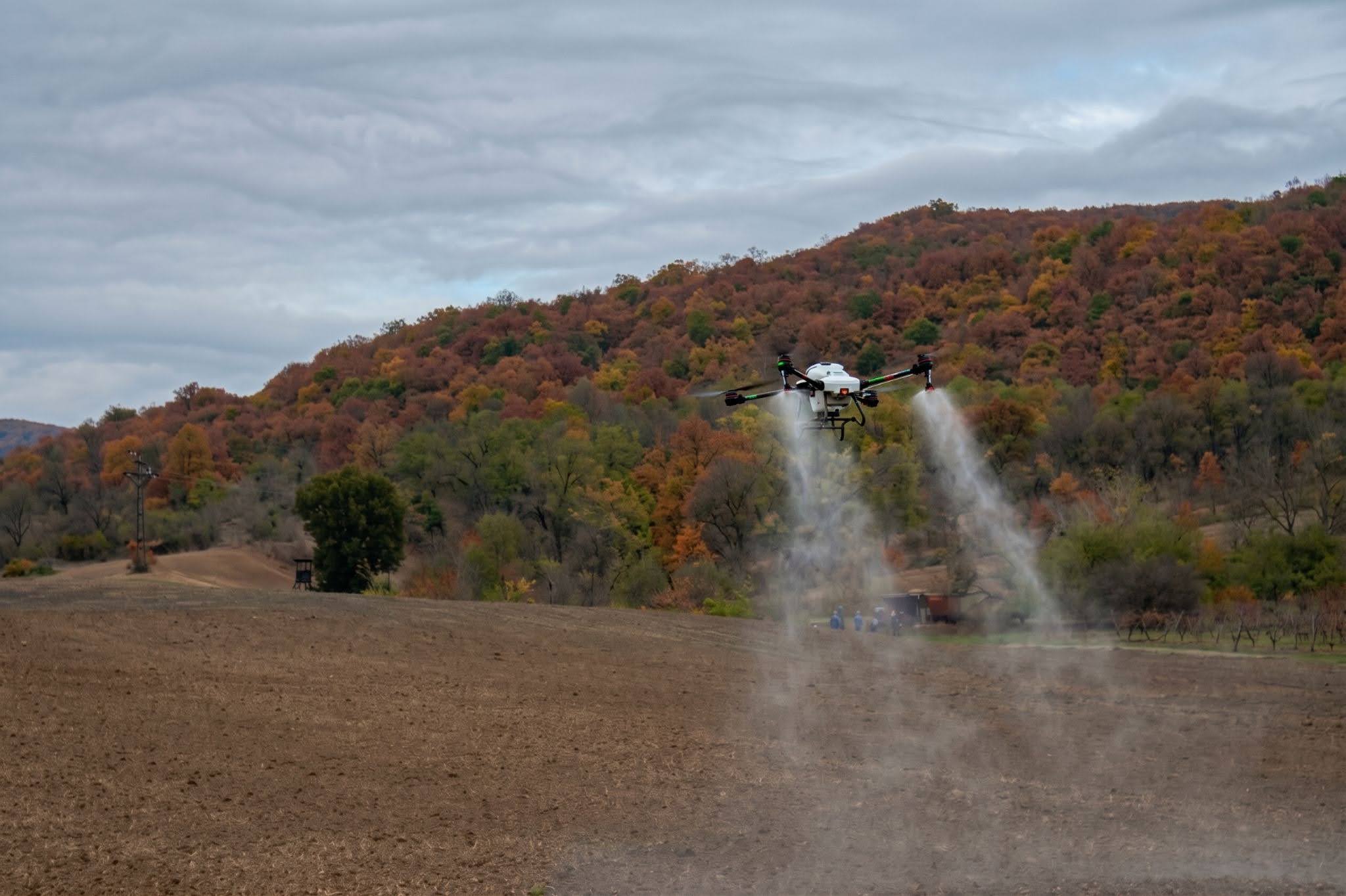
Integrating ABZ Innovation drone technology into modern farming workflows provides agronomists and growers with a flexible, highly efficient, and scientifically sound tool to safeguard crop health, optimize resource input, and secure yield stability.


