
Seeding Cover Crops with Drones: Redefining Soil Health
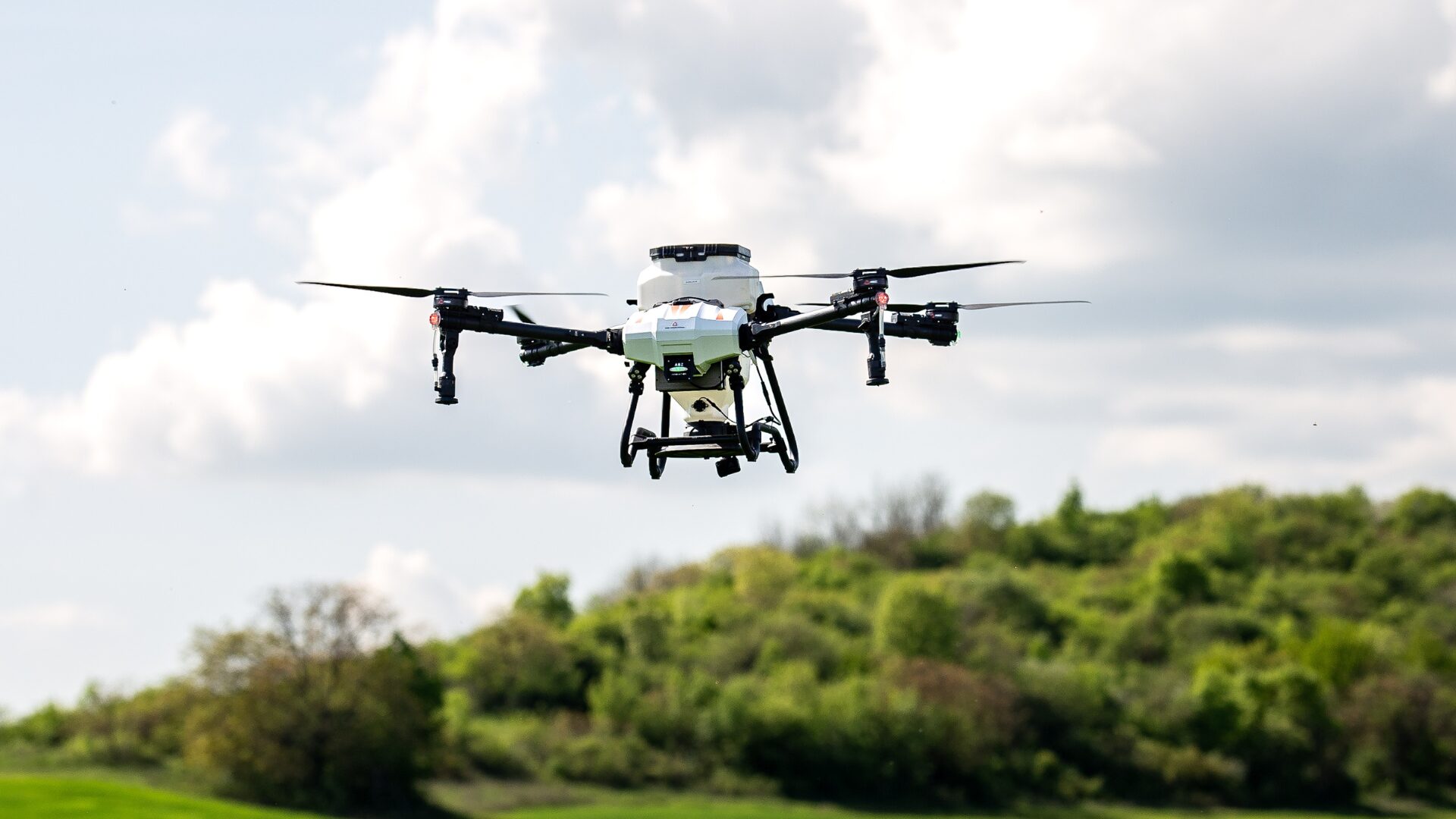
Soil is not just a surface for machinery, but a living, complex ecosystem. When left bare after harvest, it quickly loses structure and nutrients. Cover crops act as a natural protective layer, yet traditional seeding methods often fail due to soil compaction and poor timing.
In modern precision agriculture, we increasingly recognize that protecting soil health is essential for long-term profitability. While cover cropping is a well-established practice, drone technology is the key innovation that finally makes its efficient and large-scale implementation possible.
The Biological Necessity of Cover Crops
When a field is left fallow (bare) after harvest, it is vulnerable. Cover crops act as a “living shield” during these transition periods:
- Erosion Control: Roots anchor the soil against wind and water runoff.
- Nutrient Scavenging: They capture nitrogen and other mobile nutrients, preventing them from leaching into groundwater.
- Soil Structure: Biological tillage via root systems increases organic matter and water-holding capacity.
- Biodiversity: They provide essential habitats for pollinators and beneficial insects, suppressing weeds naturally.
Breaking the Limits of Ground-Based Seeding
Traditional tractor-mounted seeding faces four critical “bottlenecks” that drones effectively eliminate:
- Soil Compaction: Multi-ton machinery collapses soil pores, especially in wet conditions. Subsoil compaction can take years to remediate.
- The “Timing Trap”: Farmers often miss the biological window for planting because the ground is too muddy for heavy equipment.
- Mechanical Damage: You cannot drive a tractor through standing corn or sunflowers to inter-seed without significant yield loss from trampling.
- Operational Overhead: High fuel consumption and labor costs diminish the ROI of cover cropping.
The Drone Advantage: Precision from Above
By moving seeding operations to the air, we decouple the planting process from soil conditions:
- Zero Compaction: The aircraft never touches the ground, preserving soil structure and porosity.
- Relay Cropping (Inter-seeding): Drones allow for broadcasting seeds into a standing main crop weeks before harvest. This gives the cover crop a head start on the growing season.
- Extreme Flexibility: Drones can operate immediately after heavy rain, ensuring the seeds hit the ground exactly when the moisture levels are optimal for germination.
Cover cropping: What to Sow with a drone?
Drone seeding utilizes broadcast application, meaning seeds germinate on or near the soil surface. Success depends on selecting the right species:
- Top Performers: Small, lightweight seeds like Mustard, Oil Radish, Crimson Clover, and Phacelia. These require minimal soil contact to emerge successfully.
- Challenges: Large-seeded crops (e.g., Peas or Beans) typically require deeper placement and uniform soil coverage, making them less ideal for standard drone broadcasting without specialized management.
The ABZ Innovation Solution
The L-Series platform is engineered for ultimate operational flexibility. Its modular design allows for the seamless transition between liquid and granular applications: the liquid spray tank can be swapped for a compatible spreader system in minutes. This rapid-change capability enables a single platform to manage the entire agricultural cycle—from precision crop protection to high-efficiency seeding and nutrient dispersal—maximizing your return on investment and minimizing downtime.
Conclusion: Protecting the Bottom Line
Drone technology transforms cover cropping from a “costly chore” into a high-ROI risk management tool. By eliminating trampling loss, reducing fuel costs, and ensuring perfect timing, drones safeguard both your soil health and your profit margins.
You can also watch our webinar on this topic:


