
The Trichogramma Revolution in Biological Crop Protection
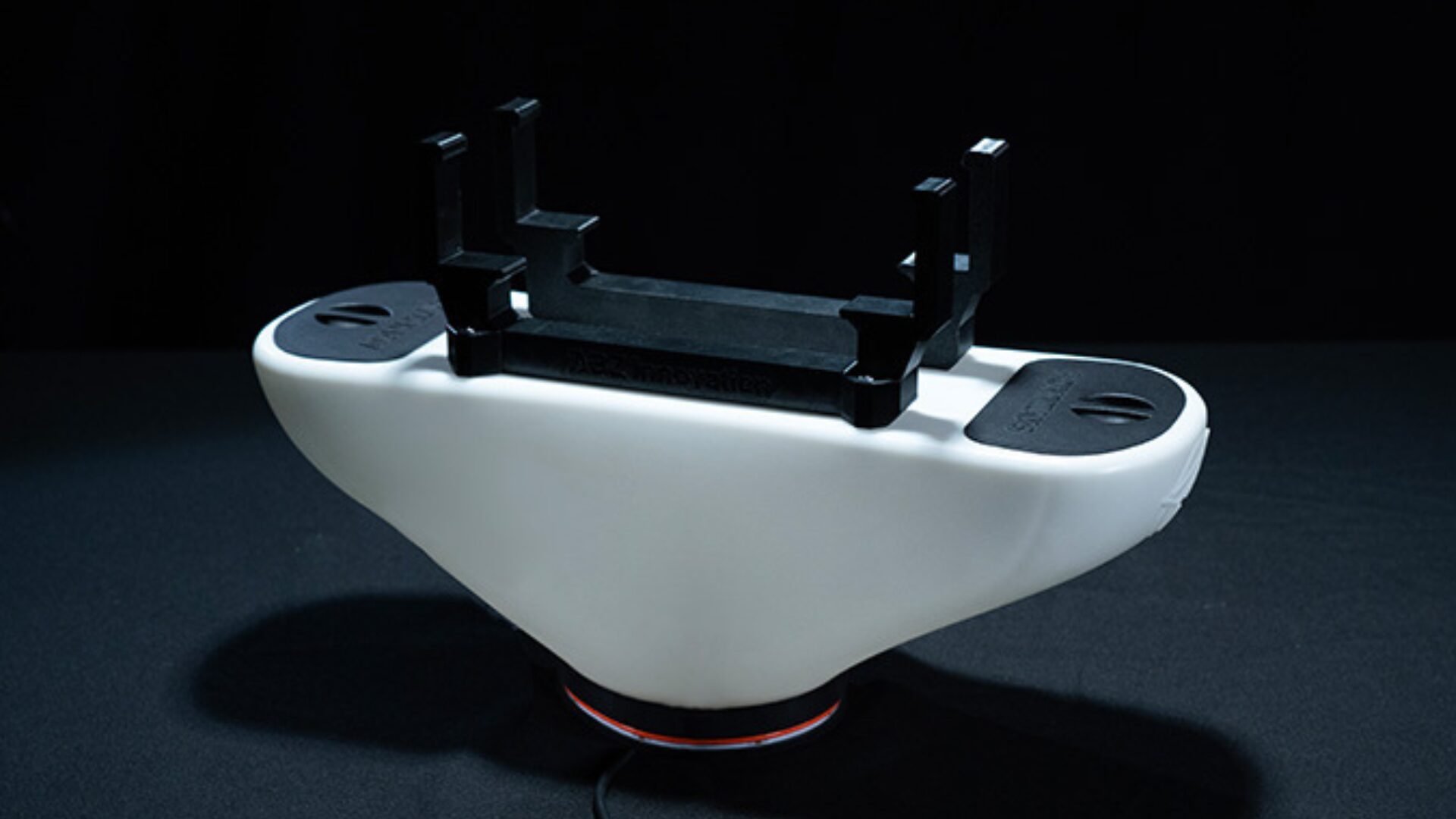
Biological pest control is becoming an increasingly important force in modern agriculture, as growers turn toward more sustainable and precise solutions. At ABZ Innovation, we bridge the gap between nature’s own mechanisms and cutting-edge drone technology. The hero of this story is Trichogramma (brassicae)—a microscopic parasitoid wasp, barely 0.5 mm in size, that offers a sophisticated alternative to traditional insecticides.
The Biological Mechanism: Nature’s Stealth Bombers
Unlike broad-spectrum chemicals, Trichogramma acts as a highly targeted biological control agent. The process is elegantly destructive to pests:
- Detection: The female wasp uses chemical signals to track the eggs of specific lepidopteran pests.
- Parasitization: She deposits her own eggs inside the pest egg.
- Neutralization: The wasp larvae consume the pest embryo from the inside out. This ensures the destructive larvae (caterpillars) never hatch, stopping crop damage before it even begins.
And Target Pests?
- European Corn Borer (Ostrinia nubilalis): Known for boring into stalks and destroying vascular tissues.
- Cotton Bollworm (Helicoverpa armigera): A polyphagous pest that attacks the generative parts (kernels/fruit) of over 300 plant species.
Why Biological Control Trumps Chemistry
The transition to Trichogramma isn’t just an ecological choice; it’s a strategic one:
- Zero Resistance: Pests can develop metabolic resistance to chemical active ingredients, but they cannot biologically adapt to being predated.
- Selectivity: It is entirely harmless to humans, pollinators, and beneficial insects.
- Reach: Once a pest larva bores into a stalk or ear, chemical sprays lose efficacy. Trichogramma neutralizes the threat at the egg stage, before the pest is shielded by the plant.
The Tech Gap: From Manual Labor to Drone Autonomy
Historically, the barrier to biological control was application. Manually hanging capsules in dense, tall cornfields was labor-intensive and prone to uneven distribution. The ABZ Innovation Solution: Using our L10 V2 or M12 drones equipped with a specialized Trichogramma Spreader System, we have digitized biological protection.
- Uniformity: An automated open-close mechanism ensures precise, GPS-synced release of polystyrene capsules.
- Efficiency: Drones fly above the crops, meaning no crop crushing and no dependence on soil trafficability.
- Capacity: A single flight can deploy hundreds of “biological warriors” across hard-to-reach areas in minutes.
Strategic Implementation
To maximize the efficacy of a Trichogramma treatment, professional timing is critical:
- Monitoring: Use attractant traps to identify peak pest flight.
- Frequency: Typically 2–3 applications, spaced 7–14 days apart.
- Conditions: Deploy during calm, overcast periods (morning/late afternoon). Avoid extreme heat (>30°C) to ensure the health of the live organisms.
- Storage: Keep capsules cool (4–10°C) until the moment of takeoff.
Who Benefits Most?
- Hybrid Seed & Sweet Corn Producers: When crops are too tall for ground machinery, drones are the only viable high-clearance solution.
- Organic & Bio Farmers: A 100% residue-free method that meets the strictest organic standards while maintaining high yields.
You can also watch our webinar on this topic:


