
Crop Protection with Spraying Drones: Fungicides, Insecticides and Foliar Fertilizers
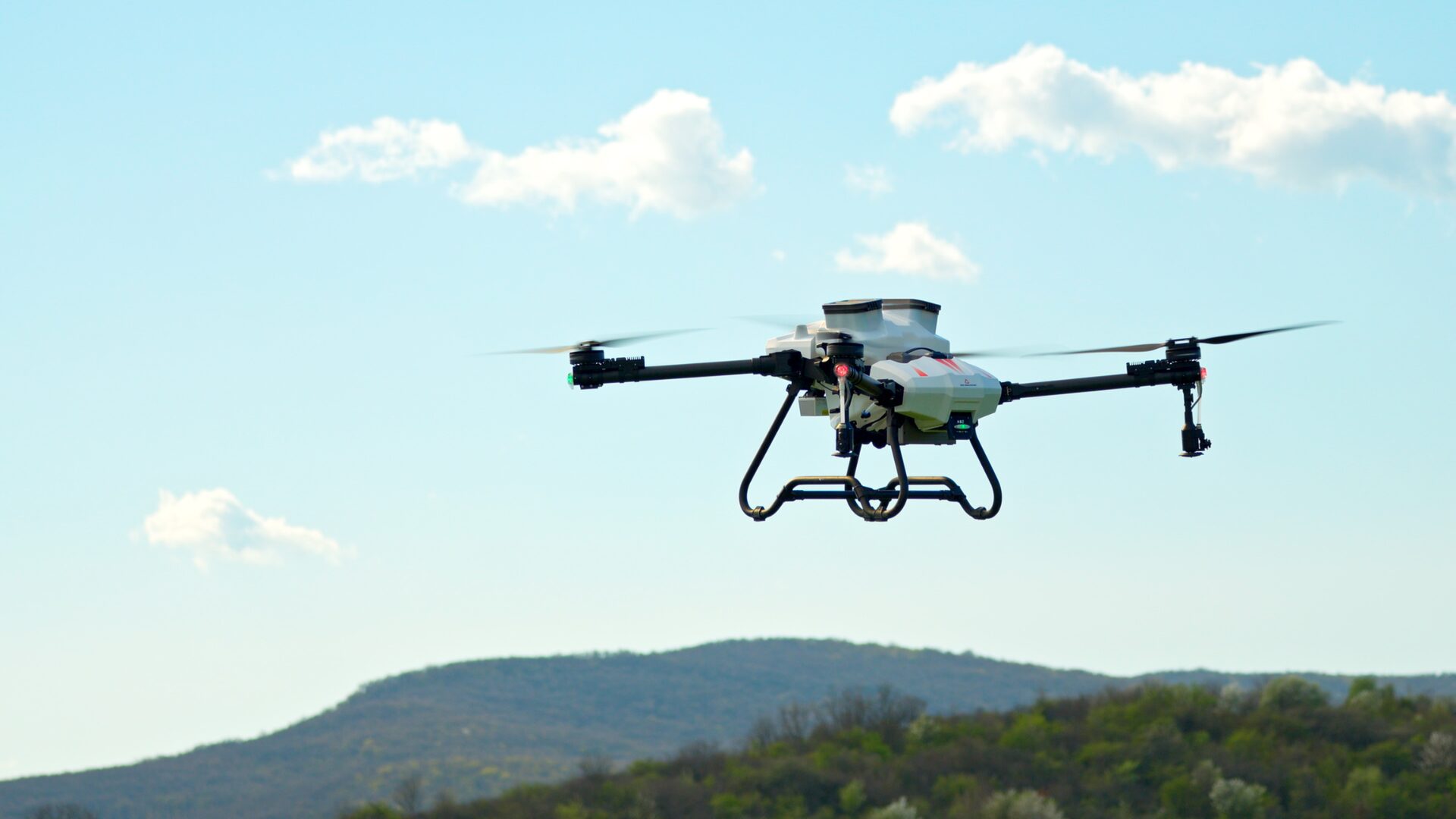
ABZ Innovation’s spraying drones are exceptionally well-suited for crop protection, offering highly efficient solutions for the application of fungicides, insecticides, and foliar nutrients.
The Critical Importance of Timing in Crop Protection
For effective defense against pathogens and pests, timely treatment is paramount. The efficacy of combatting fungal infections, insect infestations, or nutrient deficiencies relies heavily on intervening at the precise phenological stage or critical infection period.
While conventional ground sprayers can cover vast areas rapidly, they face a fundamental limitation: their strict reliance on optimal soil conditions. If the soil is waterlogged, heavy machinery cannot enter the field, forcing operators to wait until conditions dry out. This forced delay allows infections or pest damage to proliferate, often resulting in significant estimated yield losses before protection efforts can even commence.
In contrast, the aerial application capabilities of drones allow farmers to execute crop protection treatments precisely on time, entirely independent of soil moisture. This operational flexibility ensures that interventions occur before economic damage thresholds are reached, successfully safeguarding both yield quantity and quality.
Overcoming the “Dust Barrier”
An often-overlooked factor in conventional spraying is soil dust. When heavy ground machinery drives over extremely dry, dusty soil, it kicks up a significant amount of dust that settles on the leaf surface. This creates a physical barrier, reducing spray coverage and preventing active ingredients from properly contacting the foliage, particularly during critical growth periods.
Drone application is far superior over dry terrain, as there is no physical ground contact to grind dried clods into fine dust. While the drone generates substantial rotor airflow (downwash), this air is primarily absorbed by the crop canopy, keeping dust kick-up to a minimum. Consequently, the spray droplets contact a much cleaner leaf surface, maximizing active ingredient absorption and overall treatment efficacy.
Weather and Temperature Constraints
From a climatic standpoint, drone spraying must be avoided under high solar radiation and elevated temperatures (generally above 25°C). Under such conditions, the evaporation rate of the spray liquid spikes, diminishing the efficacy of the active ingredients and drastically increasing the risk of severe leaf scorch (phytotoxicity).
Operational Guidelines for Pilots
When executing crop protection applications, pilots must adhere to the following agronomic strategies:
1. Fungicide Treatments: Proactive Disease Management
- Application Timing: To optimize absorption and minimize evaporation, applications should be scheduled during the early morning or late evening hours. During these times, temperatures are lower, humidity is higher, and the plants’ stomata are open. Additionally, wind speeds typically decrease, which is critical for mitigating drift.
- Strategy: Many fungal pathogens thrive in warm, humid conditions. Therefore, treatments should be applied preventively, prior to the onset of disease symptoms. Drones enable immediate intervention during persistent humid weather—regardless of muddy soil—halting the spread of infection in its tracks.
2. Insecticide Treatments: Superior Canopy Penetration
- Canopy Penetration: Spraying drones excel at pest control in tall crops with dense canopies (e.g., corn, orchards) where traditional ground sprayers struggle to maneuver, or where pests harbor in the dense, inner foliage.
- Pollinator Protection: When applying insecticides, safeguarding pollinators is a critical priority. If a product is toxic to bees and other beneficial insects, applications during the flowering stage must utilize pollinator-safe practices. This typically restricts flight operations to outside of active foraging hours, such as strictly after sunset.
3. Foliar Fertilization: Rapid Stress Relief
- Stress Relief: ABZ Innovation’s drones provide an excellent platform for foliar feeding. Foliar fertilizers deliver immediate nutrient replenishment during critical growth phases or environmental stress events (such as droughts), helping to maintain yield and crop quality. Like fungicides, these applications are best performed during the cooler, more humid periods of the day.
- Phytotoxicity Risks: Pilots must recognize that spraying in direct, intense sunlight is strictly prohibited. Because drones utilize ultra-low volume (ULV) technology, the spray mixture is highly concentrated. Under high temperatures, water evaporates from the droplets within seconds, reducing nutrient tissue penetration and exponentially increasing the risk of leaf scorch. This hazard is especially severe with high-nitrogen or sulfur-based foliar fertilizers.
4. Regulatory Note on Herbicides
It is crucial to emphasize that the regulatory framework governing the drone application of herbicides differs significantly from that of fungicides and insecticides. While some jurisdictions authorize specific herbicides and desiccants for aerial application, their use is bound by stringent regulations.
Operators must strictly comply with the conditions outlined in the product’s registration document and label, as approved crops, application rates, and use restrictions vary by region. Applying herbicides via drone carries severe environmental and safety risks, primarily due to drift. Off-target movement of highly concentrated herbicides can cause irreversible damage to neighboring sensitive crops, natural habitats, and water sources.
Resumen
Utilizing spraying drones makes crop protection and nutrient management more precise, rapid, and entirely independent of ground conditions. By applying this technology professionally and strictly adhering to meteorological and plant-physiological constraints, farmers can secure their harvests more efficiently and safely than ever before.


