
Optimizing Crop Protection: The Agronomic Advantages of ABZ Innovation Spraying Drones
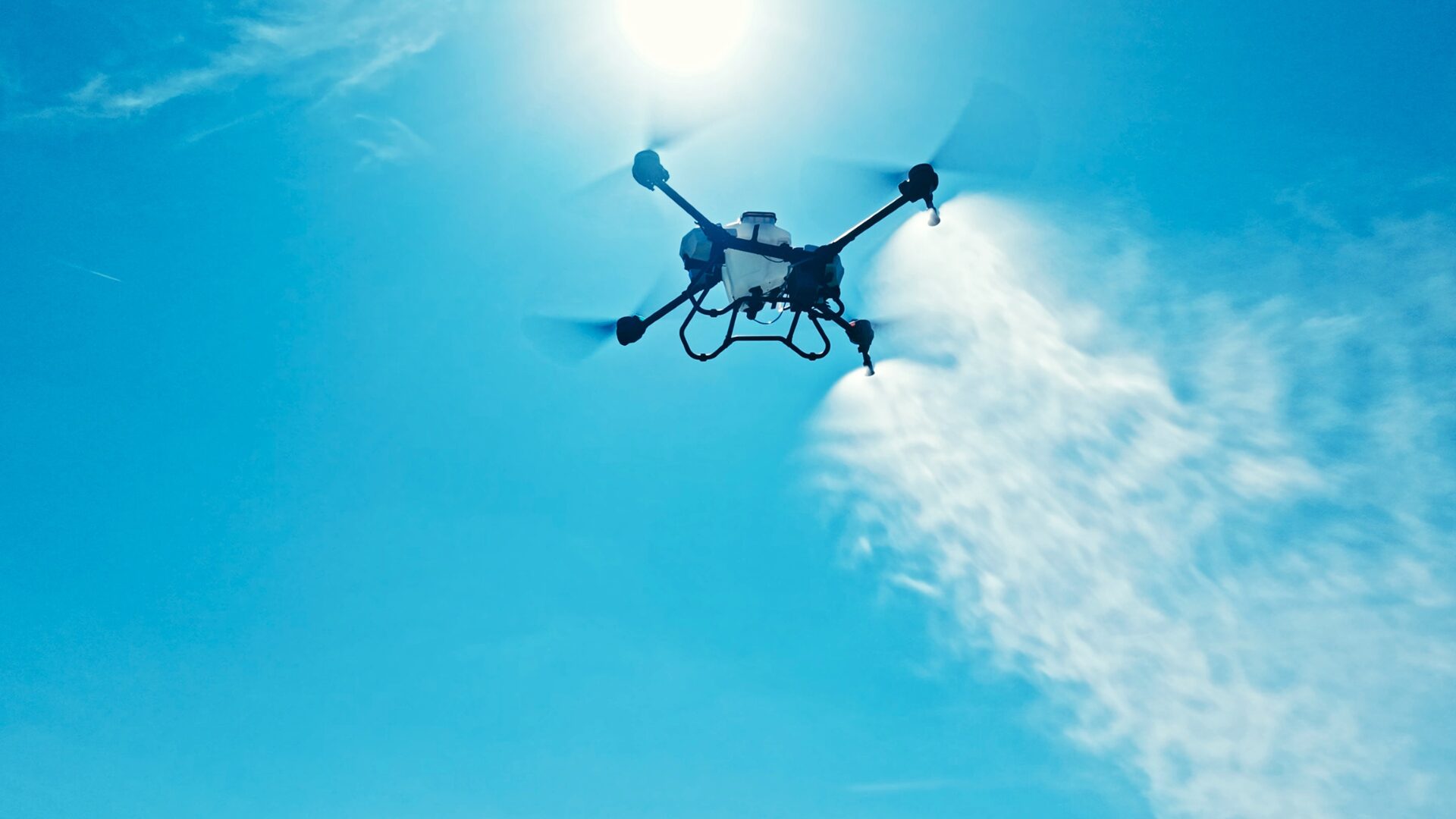
The integration of UAV (Unmanned Aerial Vehicle) technology into precision agriculture represents a significant paradigm shift in crop management. ABZ Innovation’s spraying drones provide a highly efficient, precise, and environmentally conscious alternative to traditional application methods. By overcoming the limitations of ground-based machinery, this technology offers distinct agronomic advantages for modern farming operations.
Key Agronomic and Operational Benefits
Implementing drone-based crop protection optimizes field management on multiple levels:
- Elimination of Soil Compaction: Aerial application completely removes the mechanical stress and soil compaction associated with heavy ground machinery. This allows for optimal treatment timing, as applications can proceed regardless of soil moisture levels or ground conditions.
- Optimized Operational Efficiency: UAV technology enables rapid coverage of large agricultural tracts, significantly accelerating application cycles and ensuring that critical intervention windows are met.
- Resource Efficiency and Sustainability: Drone spraying utilizes advanced ultra-low volume (ULV) technology, drastically reducing water requirements and optimizing chemical usage. This minimizes the environmental footprint while supporting sustainable agricultural practices.
- Enhanced Accessibility: Drones operate seamlessly over complex topographies, offering targeted treatments in areas with challenging terrain or localized pest/disease outbreaks where ground access is restricted.
- Late-Stage Canopy Management: Agronomic interventions such as late-season foliar fertilization or pre-harvest desiccation are often omitted due to the height of the crop stand. Drones eliminate the risk of trampling damage, as applications are calibrated to the specific height of the crop canopy.
Application Capabilities of ABZ Innovation Drones
- Precision Application of Fungicides and Insecticides In mature or dense crop stands with closed row spacing, conventional ground sprayers often fail to achieve adequate penetration. Spraying drones utilize the aerodynamic downdraft generated by their rotors to force the spray mixture deep into the lower canopy layers. This ensures a highly uniform distribution of active ingredients, maximizing biological efficacy while minimizing chemical drift and environmental impact.
- Advanced Biological Control Systems UAVs are increasingly integral to integrated pest management (IPM) strategies, particularly in the distribution of biological control agents. A prime example is the deployment of Trichogramma parasitic wasps to control economically significant pests like the European corn borer and cotton bollworm. ABZ Innovation has engineered a proprietary Trichogramma dispensing system designed specifically for this purpose, guaranteeing precise spatial distribution and maximizing the reliability of biological interventions.
Application Parameters: Optimizing the Droplet Spectrum
To maximize efficacy, operators must calibrate the drone’s application parameters based on the mode of action of the specific plant protection product:
- Contact-Acting Agents: The primary objective is comprehensive surface coverage. A finer droplet spectrum is optimal, as smaller droplets ensure higher droplet density per square centimeter. Aided by the rotor downdraft, these fine droplets adhere effectively to the foliage, covering both the upper and lower leaf surfaces.
- Systemic Agents: Because systemic chemicals must translocate through the plant’s vascular system, foliar uptake is the priority. A coarser droplet spectrum is required to reduce the evaporation rate, mitigate the risk of aerial drift, and ensure maximum absorption of the active ingredient.
Strategic Integration: A Complementary Technology
While UAV technology offers unprecedented precision, it is not designed to unilaterally replace high-capacity, conventional ground sprayers. Instead, it functions as a highly effective complementary tool. In specific agronomic scenarios—such as challenging terrain, adverse soil conditions, late-stage crop development, or localized pest outbreaks—drone technology serves as a superior, standalone alternative.
Regulatory Notice: All drone-based crop protection treatments must strictly adhere to local and regional regulatory frameworks, including agricultural, agrometeorological, and civil aviation regulations. The information provided is for general professional guidance and does not replace site-specific agronomic consultation.


